9 Profitable Dropshipping Niches in 2026 (Up to 70% Margins)
Discover nine high-margin dropshipping micro-niches, the products to avoid, and the sourcing and fulfillment strategies needed to build a profitable ecommerce brand in 2026.


• The strongest opportunities in 2026 are high-ticket micro-niches with estimated gross margins of 30% to 75%.
• Premium pet wellness, beauty technology, biohacking tools, smart baby care, home security, and outdoor technology show strong growth potential.
• Avoid competing with Temu, SHEIN, and Amazon on cheap apparel, basic phone accessories, low-quality jewelry, uncertified supplements, and bulky low-value products.
• Evaluate every niche based on demand, competition, profit margin, shipping complexity, repeat-purchase potential, and supplier reliability.
• Build a micro-brand through original product content, consistent visual branding, custom packaging, short-form video, and strong social proof.
• Fast fulfillment, strict quality control, and specialized shipping channels help reduce refunds and create a defensible competitive advantage.
What you'll get from this guide: 9 high-margin dropshipping niches for 2026 — each with profit-margin range, search demand, supplier difficulty, and a real fulfillment angle. You'll also see 5 toxic niches to avoid before spending a dollar on ads, plus a 5-step framework to choose a niche you can actually defend long-term.
In 2026, some still wonder, "Is dropshipping dead?" However, projections show the global dropshipping market will surpass $500 billion between 2026 and 2027. What is truly outdated is the general store model focused on low-quality, inexpensive products.
With rising customer acquisition costs, successful dropshippers in 2026 prioritize high-ticket products and specialized niches. These products often command premium prices and encourage repeat business.

Before reviewing each category, please refer to the following quick-reference guide:
2026 High-Margin Dropshipping Micro-Niches Quick Reference Table
What is a Dropshipping Niche?
A dropshipping niche is a focused segment within a broader industry. Rather than following trends, the objective is to identify groups with unmet needs who are willing to pay a premium for effective solutions.
In 2026, the most profitable dropshipping niches usually share three main traits:
- High-ticket potential: Customers expect expertise and are less sensitive to price.
- Supply chain barriers: These niches often require special handling, custom packaging, or strict quality control, which most sellers cannot easily offer.
- High brand loyalty: Customers care more about the experience than just getting the lowest price.
How to Choose a Truly Profitable Dropshipping Niche?
While many beginners chase trends, the most successful sellers in 2026 target profitable sectors with higher barriers to entry.
When selecting a niche, assess market demand, competition, long-term trends, repurchase frequency, and profit margins. The following tools and strategies can assist in evaluating demand and competition:
Leverage Tools to Analyze Market Demand and Competition
Google Trends:
Monitor how consumer interest changes over time. Comparing search volumes across regions and periods helps determine if a niche has sustainable long-term potential or is only experiencing a temporary surge.

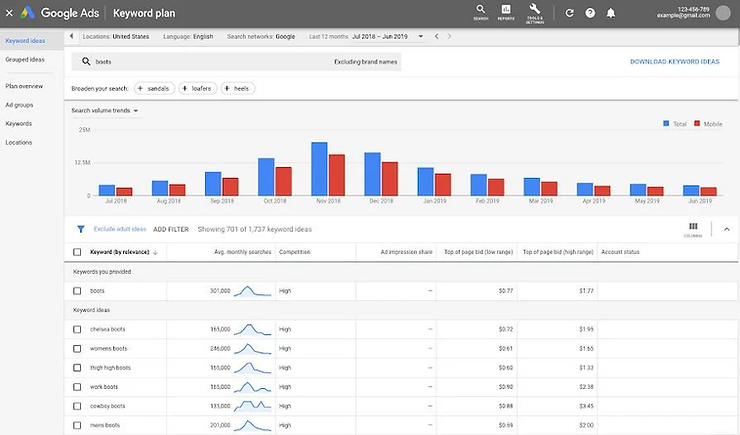
Google Keyword Planner:
Analyze product search volumes, competition levels, and related keyword suggestions in your target market. This information is essential for assessing demand, estimating advertising costs, and refining your product selection and marketing strategy.
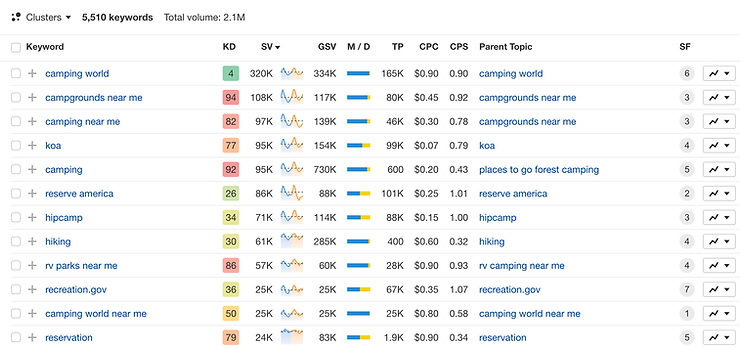
Ahrefs & SEMrush:
These tools are ideal for in-depth SEO research. They allow you to analyze competitors' traffic sources, top-performing pages, ranking keywords, and keyword difficulty to assess market entry feasibility.

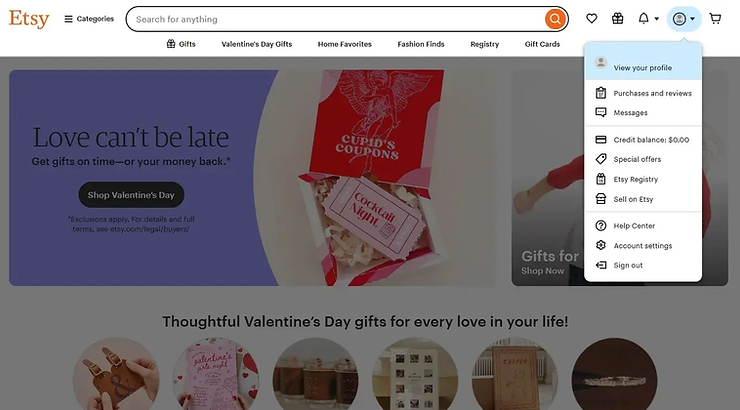
Analyze Online Marketplaces:
Platforms like Amazon, Etsy, and eBay provide real-time insights into market trends. Reviewing best-seller lists, user reviews, price ranges, and product differentiation opportunities helps you understand the competitive landscape and customer preferences.
Consider Sustainability and Long-Term Trends
A strong niche should demonstrate stable or increasing interest for at least 6 to 18 months, rather than being a short-lived trend. For seasonal products, offer complementary or related items to maintain consistent sales throughout the year.
Pay close attention to wider lifestyle and consumer buying behavior trends, such as:
Fragrances & Specialized Cosmetics:
- Industry Insight: Fragrances are among the most profitable dropshipping products in 2026, delivering emotional value and markups frequently exceeding 150%.
- "liquid shipping restrictions." By partnering with a supply chain provider such as FFOrder, which holds regulatory certifications for transporting dangerous goods and liquids, you gain a significant competitive advantage in this niche. When looking for a certified fulfillment partner, check for compliance badges or certificates on their website, ask about their experience with shipping restricted items, and contact their support directly to confirm they can meet your product's specific needs. Simple due diligence upfront will ensure you avoid future logistics headaches.
Premium Pet Wellness:
- Industry Insight: Pet owners are shifting from "buying toys" to "buying health." Orthopedic pet beds and anti-anxiety aids are highly searched terms in 2026.
- Strategic Priority: These products are considered bulky goods. Utilize a local warehouse for pre-stocking to ensure a 3-5 day localized delivery experience.
Ergonomic Home Office Tech:
- Industry Insight: With hybrid work becoming the global norm, users are highly willing to pay for "improved productivity and comfort."
- Strategic Perspective: This is a prime example of a high-ticket dropshipping niche in 2026. Product details are critical; items like magnetic desk organizers and smart posture correctors require exceptionally robust packaging to prevent damage.
Focus on Consumables with High Repurchase Rates
Consumables are ideal for dropshipping due to their frequent repurchase cycles. Products such as dietary supplements, water filters, and personal care items generate consistent demand. You can further increase recurring revenue by offering subscriptions or replenishment reminders. Bundling strategies, such as pairing a portable water dispenser with replacement filters, can boost profit margins, increase Average Order Value (AOV), and enhance the customer experience.
Evaluate Logistics Costs and Profit Margins
To ensure profitability, consider both selling price and shipping costs. The most effective dropshipping products are small, lightweight, durable, and easy to ship. Items priced between $20 and $100 typically provide sufficient margin for advertising and manageable return rates. Avoid fragile, bulky, or irregularly shaped products, as they incur higher shipping costs and are more prone to returns.
Useful Recommendations
If you are seeking low-competition dropshipping niches in 2026, prioritize branding over traffic:
- Competition Density Check: Search for your product on TikTok and Google Shopping. If the first page is dominated by Temu, AliExpress, or low-priced sellers, shift to a different sub-niche unless you can deliver an outstanding branded unboxing experience.
- Fulfillment Controllability Test: If your niche requires specialized Quality Control (QC) or specific packaging, and you do not have a backend partner like FFOrder to manage Value-Added Services (VAS), this niche may not be suitable at this time.
- Premium Pricing Space Evaluation: Assess whether the product has strong storytelling potential. If it is purely functional and lacks a unique appeal in short-form video, conversion rates will likely be low.
The 9 Best High-Margin Niches to Enter in 2026
- Premium Pet Wellness & Humanization
In 2026, the pet economy is driven by 'Pet Humanization.' Consumers are willing to invest significantly in pet health, pushing the global pet market beyond $260 billion.
- Target Audience: High-net-worth pet owners, DINKs (Double Income, No Kids), and elderly companions.
- Data Box: Estimated Gross Margin: 35% - 65%
- Top Products to Sell (2026 Best Sellers): Orthopedic pet beds, GPS smart tracker collars, functional nutritional supplements.
- Sourcing Tip: Pet nutritional liquids are classified as sensitive goods. Standard logistics often result in returns. Using professional fulfillment services helps overcome this challenge and creates a high-margin advantage.

- Fitness Recovery & Biohacking ToolsIn 2026, the wellness market highlights mental optimization and biohacking. Consumers are increasingly seeking products that support faster recovery and improved sleep, not simply physical training. The ideal customers for biohacking tools include Silicon Valley geeks, high-intensity knowledge workers, and professional sports enthusiasts. These groups are drawn to data-driven health solutions, value measurable improvements to mental and physical performance, and are willing to invest in innovative technologies that give them an edge in their demanding routines. Understanding their focus on performance, productivity, and measurable wellness results helps you tailor your marketing and product positioning for maximum impact.
- Data Box: Estimated Gross Margin: 40% - 60%
- Top Products to Sell: Smart sleep optimization pads, Red Light Therapy mats, microcurrent sleep aids.

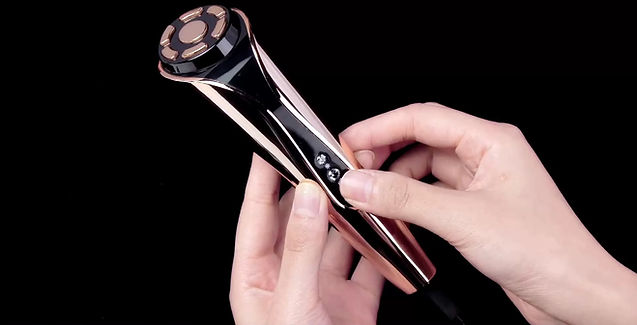
- Advanced Beauty Tech & Home DevicesBeauty devBeauty devices combine premium pricing with strong demand for women's personal care. This category has experienced rapid growth in 2026, driven by visually attractive short-form video content. Audience: Women aged 25-45 focused on anti-aging and exquisite skincare.
- Data Box: Estimated Gross Margin: 50% - 75% (The highest tier across all categories).
- Top Products to Sell: Medical-grade LED red/blue light therapy masks, microcurrent facial lifters, laser scalp hair growth devices.
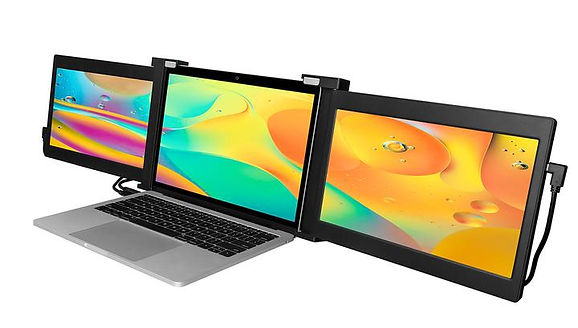
- High-Ticket Home Office ErgonomicsThe hybrid workBy 2026, hybrid work is standard. Employees are willing to invest in home office upgrades to improve productivity and comfort.ce: Remote workers, software engineers and independent content creators.
- Data Box: Estimated Gross Margin: 30% - 45%
- Top Products to Sell: Portable triple-screen laptop extenders, smart sit-stand desk converters, and high-end medical-grade ergonomic chairs.
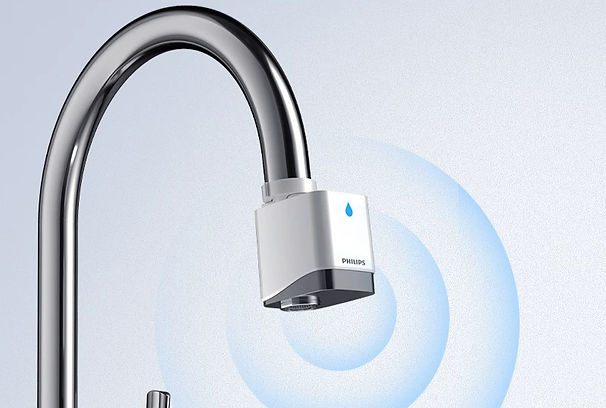
- Eco-Tech & Circular Economy GoodsBy 2026, 7By 2026, 70% of younger consumers are willing to pay a premium for green products. Focus on innovative eco-technology rather than saturated items like bamboo toothbrushes. audience: Eco-conscious Gen Z & Millennials, digital nomads.
- Data Box: Estimated Gross Margin: 40% - 50%
- Top Products to Sell: Biodegradable wheat straw tech accessories, high-efficiency portable solar power banks, smart home water conservation monitors.
- Specialized Hobby Gear (High Net Worth)Targeting ultra-high-ticket products for affluent customers can produce significant profits in 2026. For example, selling a $4,000 product may generate $1,200 in profit, helping to offset advertising costs. Get Audience: Upper-middle class, adults with specific, expensive hobbies.
- Data Box: Estimated Gross Margin: 30% - 45% (Extremely high absolute profit value).
- Top Products to Sell: Smart deep-space telescopes, indoor golf simulator kits.

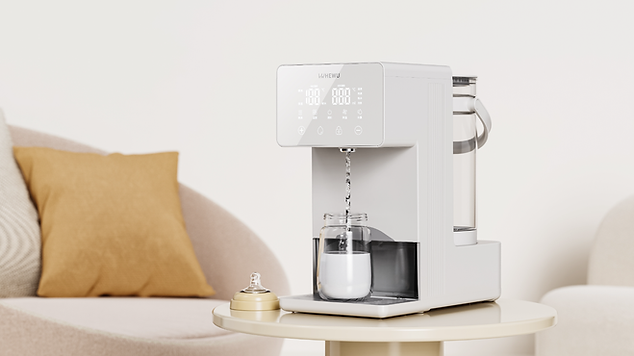
- Smart Baby Care & Developmental TechMillennial and Gen Z parents increasingly use technology to address parenting concerns. The baby care market is shifting from traditional products to smart, data-driven monitoring devices.ce: First-time working parents, households focused on science-based parenting.
- Data Box: Estimated Gross Margin: 45% - 60%
- Top Products to Sell: AI baby sleep and breathing monitors, portable UV baby bottle sterilizer bags, smart temp-control formula makers.
- Sourcing Tip: Baby electronics require high-quality and secure packaging. Partnering with a dependable supply chain for branded packaging is essential to earning the trust of young parents.
- Smart Home Security & AutomationThe growth of the short-term rental industry and increased focus on home security have driven strong demand for lightweight, easy-to-install smart security devices in Western markets.
- Target Audience: Homeowners, Airbnb/short-term rental hosts, solo tech fans.
- Data Box: Estimated Gross Margin: 40% - 55%
- Top Products to Sell: Tuya-ecosystem biometric smart locks, solar-powered wireless security cameras, and smart thermostat controllers.
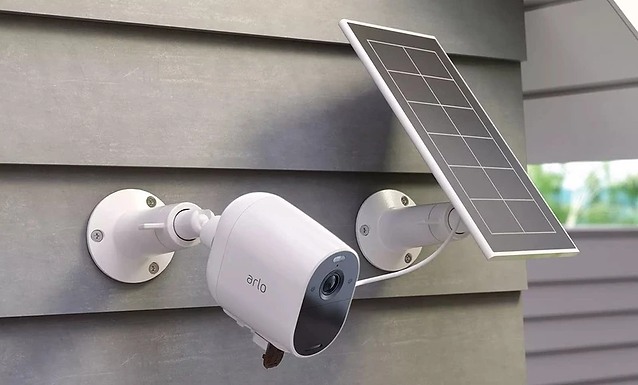
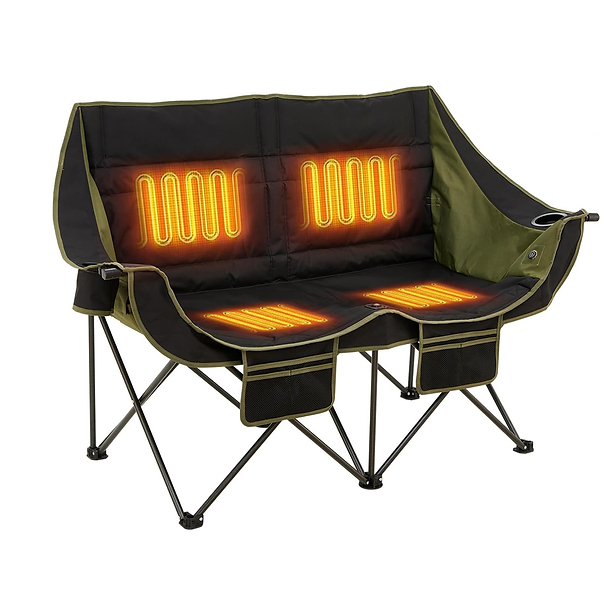
- Premium Outdoor & Overlanding TechGlamping and overlanding remain popular in 2026. These consumers seek high-powered, durable outdoor electronics, creating significant opportunities for high-ticket dropshipping.
- Target Audience: Outdoor explorers, RV owners, digital nomads.
- Data Box: Estimated Gross Margin: 35% - 50%
- Top Products to Sell: Smart inverter car refrigerators, graphene-heated camping chairs, high-capacity portable power stations.
Building the "Supply Chain & Fulfillment" Moat
In 2026, picking the right product only accounts for 30% of your success. Due to rising ad costs, true profit is generated exclusively through brand repurchases and ultra-low refund rates. When you sell a $200 "Smart Baby Monitor" or a bottle of "Pet Nutrition Drops," using a standard platform's painfully slow shipping and delivering a damaged package to the customer is equivalent to commercial suicide.
This is exactly why top dropshippers utilize FFOrder as their fundamental supply chain and fulfillment infrastructure:
1. Overcoming the High-Margin "Special Goods" Barrier:
Many of the nine high-profit niches involve 'special goods' such as beauty devices, security cameras, and pet supplements, which face shipping restrictions and customs challenges. FFOrder offers dedicated logistics lines for these products, guaranteeing safe customs clearance and fast global delivery. This ability provides a significant competitive advantage.

2. Private Labeling & Custom Packaging:
Product premiums are driven by brand perception. FFOrder offers services from white labeling to custom packaging and thank-you cards. Professional packaging increases customer satisfaction and supports higher gross margins.

3. 1-on-1 VIP Express Fulfillment System:
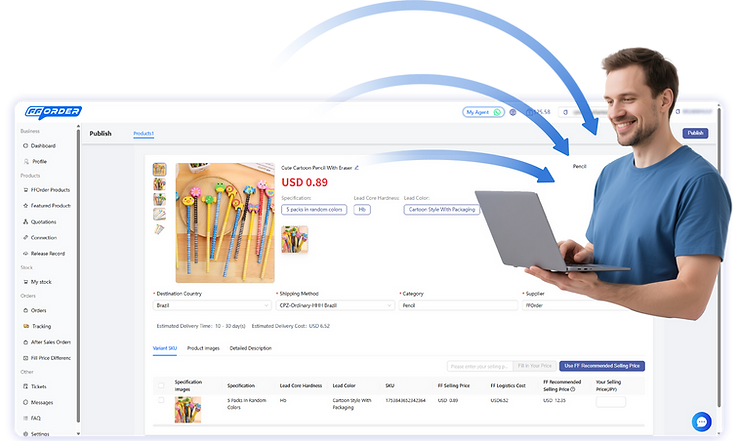
High-ticket items (like a $300+ ergonomic desk or outdoor fridge) mean customers have incredibly strict expectations for delivery times. Through FFOrder’s robust system integrations (seamlessly linking with standalone platforms such as Shopify), you can achieve automated order fulfillment and priority dispatch—cutting off refunds and credit card Chargebacks caused by logistics delays directly at the source.
Dropshipping in 2026 is a battle of "Micro-Brands." By selecting from the 9 profitable dropshipping niches above, applying advanced data-driven product research, and utilizing FFOrder’s special goods lines and branded packaging, you will construct a highly profitable cross-border e-commerce empire that competitors cannot easily replicate.
5 Toxic Dropshipping Niches You Must Absolutely Avoid in 2026
But knowing what not to sell is just as important. The main rule for dropshipping in 2026 is: never try to compete with Temu, SHEIN, or Amazon on cheap products. If you pick any of the next five categories, you’ll face high ad costs, lots of refunds, and possible ad bans that can quickly drain your cash.
🚫 1. Cheap Fast Fashion & General Apparel
Many beginners believe apparel is easy to sell, but it is one of the most challenging categories in cross-border e-commerce.
- Fatal Flaw: Apparel has high return and exchange rates, commonly reaching 30% to 40% due to sizing, color, and quality issues. Cross-border return logistics can exceed the product's value, and it is difficult to compete with SHEIN on price or product variety.
- Alternative: Focus on functional apparel, such as premium yoga wear or heated jackets for outdoor use, instead of basic printed T-shirts.

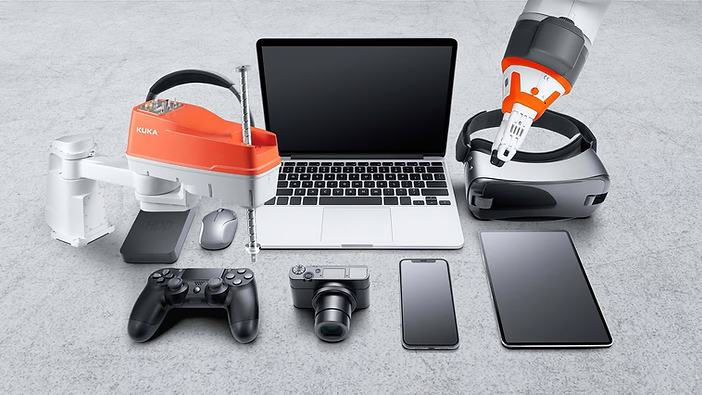
🚫 2. Basic Phone Accessories & Cheap 3C
If you are still selling $5 clear phone cases, basic charging cables, or cheap Bluetooth earbuds in 2026, you won't even recoup your ad spend.
- Fatal Flaw: Inverted CPA (Customer Acquisition Cost). Acquiring a single buyer on Meta TikTok might cost you $15 - $20, while your Average Order Value (AOV) is only $10. You lose money on every order. Additionally, cheap electronics have incredibly high defect rates, triggering huge surge o of customer service complaints.
- Alternative: Pivot to the aforementioned "eco-friendly biodegradable tech accessories" or "high-ticket home office electronics."
🚫 3. Cheap Watches & Low-Quality Jewelry
The once-viral "Free Plus Shipping" watches and cheap alloy necklaces have been entirely abandoned by consumers in 2026.
- Fatal Flaw: Consumer trust bankruptcy. Today’s buyers are savvy; they proficiently use "Google Lens" and can discover in one second that the watch you listed for $49 sells for $3 on AliExpress. Once exposed, brutal negative reviews and PayPal Disputes immediately follow.
- Alternative: Pivot to "Custom Name/Photo Jewelry," as customization embeds the product with a unique, irreplaceable emotional premium.

🚫 4. Uncertified Weight Loss & Supplements
Health anxiety is undeniably a massive market. But if you attempt to dropship "miracle diet pills" or "rapid muscle powders" lacking clear medical certifications and transparent, efficient sourcing, you will face devastating consequences.
- Fatal Flaw: Extreme compliance risks and unt bans. T. The AI review mechanisms on Meta, Google and TikTok in 2026 will instantly ban these ad accounts. Even worse, payment gateways like Stripe and PayPal classify these as high-risk goods and will freeze your funds outright. Furthermore, if consumers experience health issues post-consumption, you face monumental legal liabilities.
- Alternative: Pivot to "Physical health intervention devices," such as infrared therapy mats or ergonomic neck pillows—they are safe and effectively solve health pain points.

🚫 5. Bulky, Low-Value Items
Examples include generic large bean bag chairs, cheap composite bookshelves, or standard oversized planters.
- Fatal Flaw: Margins devoured by logistics costs. In 2026, cross-border air and sea freight billing standards based on Dimensional Weight are exceptionally strict. The sourcing cost of these products might only be $30, but the shipping fee can skyrocket to $80 - $100. Furthermore, they are highly susceptible to damage during long-haul transit (especially glass, ceramics, or thin-pressed wood).
- Alternative: If you must sell bulky items, they must be high-value, high-tech goods (like the previously mentioned portable golf simulators, smart telescopes, or premium air purifiers) that generate enough sheer profit to comfortably cover the hefty shipping costs.

How to Successfully Run Your Niche Dropshipping Business?
To succeed in dropshipping in 2026, you need to change how you see yourself. Don’t think of yourself as just a middleman selling products. Instead, act like the founder of a micro-brand that solves real problems for a specific group of people. Here are five key steps to help you stand out:
- Build "Micro-Brand" Trust
In 2026, consumer defensiveness is at an all-time high. If your website looks like it was cobbled together in 15 minutes using a free template, they will bounce in 3 seconds.
- Deepen Visual Consistency: Your brand logo, site color palette, and typography must perfectly alongside your your niche (e.g., Eco-tech heavily utilizes earth tones/greens; Advanced beauty devices lean toward minimalist black & white or champagne gold).
- Purchase Real Samples to Reshape Visual Creatives: Never directly copy supplier images with Chinese subtitles or low-resolution pixels. Spend the money to order samples and use your smartphone to shoot high-definition short videos and photos featuring lifestyle backgrounds.
- Copywriting that Hits Pain Points: You aren't selling features; you're selling a "transformation." Don't write, "Our mattress has 3 layers of memory foam." Write, "Help your aging dog experience infant-like deep sleep again."
- UGC & Short-Video-Led "3D Marketing"
Traditional image ads have abysmal conversion rates today; 2026 is entirely dominated by native short-form video and the Creator Economy.
- TikTok / Reels / Shorts Matrix Operations: Create highly educational or entertaining short videos centered around your niche. For example, if you sell "smart sit-stand desk converters," don't just film the product—film table content like "How prolonged home-office sitting destroys your lumbar spine."
- Micro-Influencer Product Seeding: Do not blow massive budgets on mega-influencers. Find creators in your vertical with 5,000 - 50,000 followers (e.g., a creator dedicated solely to daily pet life, or a desk-setup geek). Utilize FFOrder to send them custom parcels with your brand Logo in exchange for authentic UGC (User-Generated Content) videos to use in your ad campaigns.
- AI-Empowered Ad Buying: Leverage the advanced AI automated targeting algorithms currently available on Meta TikTok. You only need to provide high-quality creatives, and the system will locate the most precise buyers for you.
- Conversion Rate Optimization (CRO) & Average Order Value (AOV) Enhancement
Traffic is expensive; you must squeeze the maximum value out of every visitor who lands on your site.
- Essential Mobile Exper Experience: Over 80% of purchases in 2026 happen on mobile devices. Ensure your site loads in under 2 seconds, and the checkout flow requires fewer than 3 clicks. Support express payment gateways like Apple Pay and Google Pay.
- Establish Social Proof: Import buyer reviews featuring both text and video. Clearly display refund/exchange policies, logistics timeline guarantees, and secure payment icons directly on the checkout page.
- Upselling & Cross-Selling: This is the magic formula for scaling profits. When a customer buys a "deep-space telescope," trigger a checkout pop-up for a "Premium Lens Cleaning Kit." If they buy an "Infrared Therapy Mat," recommend "Soothing Essential Oils." By increasing your AOV by 20%, your net profit could literally double.
- Build a "Supply Chain & Fulfillment" Moat
This is where 90% of beginners fail. Slow shipping, damaged parcels, and products not matching their descriptions lead to a wall of negative reviews, ultimately triggering payment gateways (like PayPal / Stripe) to ban your accounts.
- Ditch AliExpress: The era of 30-45 day ePacket shipping is officially dead.
- Deeply Integrate FFOrder as Your Backend Manager:
- Automated Fulfillment: Seamlessly connect your Shopify/WooCommerce store with the FFOrder system to achieve 24/7 automated order processing without any l intervention.
- Express Dedicated Logistics: Use FFOrder's special goods lines or US/EU express lines to compress delivery times to 7-10 days. Provide clear, end-to-end tracking numbers to drastically reduce customer anxiety and customer service pressure.
- Private Labeling: Utilize FFOrder’s branded packaging services to insert thank-you notes, discount cards, or use custom boxes. When a customer receives a beautifully packaged, ultra-fast parcel, all traces of "dropshipping" are completely erased.
- Turn "One-Time Buyers" into "Lifetime Assets"
The cost of acquiring a new customer is 5 times that of ret retaining an existing one. In 2026, high profitability relies entirely on repurchases (LTV: Customer Lifetime Value).
- Precision Email & SMS Marketing: Set up automated "abandoned cart recovery" flows. Send a "How-to Guide" on Day 3 after delivery, and trigger an "Exclusive Restock Discount" on Day 30.
- Private Community Incubation: If your niche is highly tribal—such as "Biohacking" or "Overlanding"—you can funnel customers into exclusive Facebook Groups or Discord servers. Consistent, long-term content output here will forge incredible brand loyalty.
Frequently Asked Questions (FAQ)
How do I find the best dropshipping niche for my business?
Start with what you already know or care about—that alone gives you a huge head start. From there, use tools like Google Trends, TikTok, Instagram, and Amazon to research demand, spot rising trends, and understand what customers are actively searching for.
It also helps to look at your competitors. Check their product pages, pricing, and customer reviews to see what they’re missing—those gaps are often your biggest opportunities.
Finally, evaluate profit margins, shipping complexity, and supplier reliability. When you choose a niche you enjoy and one that’s profitable, you set yourself up for long-term success.
Is dropshipping 100% profitable?
No business model is guaranteed profit, and dropshipping is no exception. Supplier costs, shipping fees, marketing spend, and return rates all affect your bottom line.
Choosing the right niche is only the beginning—you also need to test products, optimize your ads, improve conversions, and manage expenses.
The stores that win aren’t “lucky”; they’re constantly iterating, learning, and adapting. With the right approach, dropshipping can absolutely become a sustainable, high-margin business.
Is clothing a good niche for dropshipping?
Clothing is popular and always in demand, but it’s also one of the most competitive niches.
If you want to enter this space, men’s apparel is usually easier than women’s—fewer returns, simpler sizing, and more stable demand.
Most importantly, you’ll need a reliable dropshipping supplier. Fashion moves fast, seasons change quickly, and SKUs can be complex. A good supplier helps you handle inventory, quality checks, product updates, and on-time fulfillment—giving your store a real edge in a crowded market.
In 2026, facing fully managed retail giants like Temu and SHEIN, is there truly still an opportunity for Dropshipping?
Absolutely, but the rules of the game have changed. If you continue to sell $5 kitchen gadgets or phone cases, you will never beat Temu on price. The survival law for Dropshipping in 2026 is: "Do what the giants are unwilling to do, or unable to do well."
By carving into high-ticket "micro-niches" (like biohacking devices or professional baby monitors), leveraging resonant short-form video marketing to build brand trust, and delivering a 7-10 day ultra-fast shipping experience, you can easily command a brand premium the giants cannot touch. When consumers drop $200 on a "medical-grade skincare mask," what they value most is knowledge, not the absolute lowest price.
How much startup capital is roughly needed to launch a high-ticket "micro-brand" in 2026?
The days of "starting with $500" are largely over. In 2026, to build a high-converting micro-brand, we recommend preparing $1,500 - $3,000 in startup capital.
This money will mostly NOT be spent on inventory (since you are still utilizing the dropshipping model), but rather on:
- Purchasing competitor or supplier samples (to shoot high-definition UGC short videos).
- Basic website development and branding design (Shopify subscription, premium themes, etc.).
- Initial short-video ad testing budgets (TikTok/Meta Ads). Because high-ticket products carry enormous gross margins, once you validate a "Winning Product," your ROI timeline is significantly faster than selling low-ticket goods.
Why shouldn't I continue using AliExpress or traditional public platforms for dropshipping?
Continuing to rely on AliExpress as your primary supply chain in 2026 is equivalent to slow suicide.
- Glacial Logistics: 20-30 day standard mail completely destroys customer patience, triggering a massive influx of complaints and Chargebacks.
- Shabby Packaging: Parcels wrapped in torn yellow tape featuring Chinese characters will instantly destroy the brand image you worked so hard to build.
- Inability to Ship "Special Goods": Many cheap logistics options on AliExpress refuse to transport beauty devices containing batteries or nutritional powders/liquids.
Solution: Migrate to a one-stop private fulfillment platform like FFOrder to enjoy 7-10 day dedicated line logistics, customized brand packaging, and secure customs clearance for special goods.
When selling High-Ticket products, what happens if customers request returns? Won't the losses be massive?
This is a common misconception. In reality, the return rate for high-ticket products is often lower than that of cheap fast fashion. Customers buying a $300 smart desk typically conduct extensive research before checking out; impulse buying is rare.
To minimize risks, you need to:
- Partner with a supply chain like FFOrder that enforces strict Quality Control (QC) processes, ensuring dispatched goods are 100% defect-free.
- Draft a crystal-clear Refund Policy, and provide exhaustive product manuals or video tutorials to reduce returns caused by "user error."
- When a return inevitably occurs, require the customer to ship it back to your partnered Local Warehouse, or simply issue replacement parts rather than a full refund.
Many of the 9 recommended niches feature electronics, beauty devices, and supplements. Aren't these "special goods" easily seized by customs?
If you use standard postal packets, the probability of seizure or return is incredibly high. This is exactly why these categories are dubbed "high-margin moats"—because the vast majority of ordinary sellers simply cannot ship them.
Response Strategy: Professional dropshippers do not hit this wall themselves; they directly integrate with FFOrder. FFOrder maintains mature "Sensitive Goods / Special Goods Dedicated Channels." Whether it's a smart sleep aid with built-in lithium batteries, a security camera with magnets, or powdered pet supplements, FFOrder can navigate compliant channels to help you seamlessly clear customs and quickly deliver to the buyer, completely resolving your backend anxieties.
FFOrder Team
FFOrder helps growing brands run dropshipping and fulfillment as one system — from sourcing across 40,000+ factories to global shipping and structured after-sales.
Ready to Build a Profitable Dropshipping Brand?
Source high-margin products, customize your packaging, and fulfill global orders faster with FFOrder’s one-stop dropshipping solution.

-1200x628%20(14).png)