Best Dropshipping Products for 2026: A Month-by-Month US Guide
Discover 12 hero products and 60 supporting ideas mapped to seasonal demand, retail prices, margins, sales channels, quality control, and fulfillment strategies.

.jpg)
• The guide recommends one hero dropshipping product for each month of 2026, supported by additional products that share the same seasonal buying moment.
• Evergreen products can provide stable year-round revenue, while seasonal products can generate short, high-volume sales opportunities.
• Product selection should start with the buyer and sales channel before evaluating the SKU, price, and profit margin.
• Amazon FBA is better suited to search-driven products, TikTok Shop to impulse and demonstration-driven products, and Shopify DTC to brand-led products.
• Sellers should calculate landed cost, platform fees, advertising spend, returns, duties, fulfillment, and last-mile delivery—not just factory price.
• Electronics, battery-powered products, wellness devices, jewelry, and electrical decorations require stronger quality control and compliance verification.
• Seasonal inventory needs clear launch dates, restocking deadlines, sell-through targets, and exit plans to prevent off-season overstock.
• Automated order processing, inventory visibility, omnichannel management, and trackable fulfillment become essential as order volume increases.
• Beginners should generally start with low-compliance products before testing complex electronics or regulated wellness products.
• Product demand, margins, platform performance, certifications, and supplier quality should be revalidated regularly rather than treated as permanent.
The 12 hero dropshipping products to sell in the US in 2026 — one per month — are smart storage cubes (January), personalized name necklaces (February), self-watering plant pots (March), Easter LED egg string lights (April), electric scalp massagers (May), cooling neck fans (June), portable Bluetooth speakers (July), USB-C charging hubs (August), plush throw blankets (September), LED pumpkin string lights (October), wireless earbuds (November), and memory foam slippers (December). Each hero anchors a basket of 5–10 supporting products that share the same buying moment, giving US dropshippers a full month of demand from one calendar slot. Margins across the lineup run 45–80%, with nine evergreen winners and three seasonal accents.
If you want the operational layer underneath these products — landed cost, customs, last-mile carrier mix — see FFOrder’s dropshipping fulfillment services for how the program is built for US-bound volume.
Best Dropshipping Products to Sell Each Month
This section does not speculate on which products may become popular. Instead, it analyzes the products actually purchased by U.S. consumers each month based on market reports, and recommends well-known products and relative best-sellers for each month. Each month reflects a shift in mindset—whether it’s fresh starts, holiday gifting, seasonal transitions, or lifestyle upgrades.
Use this monthly guide to plan product testing, align promotions with demand, and stay one step ahead as shopping behavior changes throughout the year.
The 12 hero products at a glance
How We Picked These 12 Hero Products and 60 Supporting Picks
We ran four filters against every candidate product before it could enter the calendar. First, sustained search demand in the US — verified against Google Trends for a minimum four-quarter signal (or a clean seasonal arc for the three accent products). Second, unit economics that survive Amazon and Meta — a sourcing cost low enough to clear a 45%+ blended margin after fees, ad spend, and US-side returns. Third, a defensible operator angle — each SKU has a buyer profile, a creative angle, and a channel where it converts; generic products that could be anything got cut. Fourth, a sourcing story that holds up under QC — every product on this list has a published material spec, a known certification pathway (FDA/UN38.3/CPSC where relevant), and a supplier tier we have either worked with or pressure-tested.
The research base sits on top of seven data sources: the GMI dropshipping market 2026 report, Dropified’s top 50 2026 product list, Doba’s 2026 trending picks, Tradelle’s seasonal summer report, Pinterest Predicts 2026, NRF’s consumer holiday calendar, and live Adobe Analytics retail commentary. We also cross-referenced our internal flow data from FFOrder’s 100,000+ merchant fulfillment program to validate that the products ship cleanly through US customs and last-mile carriers.
For a deeper view of the niche layer behind these products — and how to choose your category before you choose your SKU — see our companion read on the most profitable dropshipping niches in 2026.
January
The first two weeks of January are the highest-intent organizing search window of the US calendar year. Operators who pre-stage creative on December 26 catch the cleanest CPMs of Q1.
The hero: Smart Storage Cubes
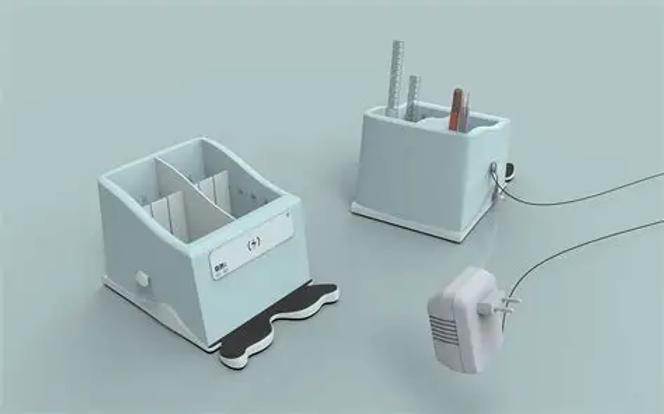
Why January is the window. US households move from holiday decoration teardown into “fresh-start” decluttering between January 2 and January 14 every year. Google Trends shows “storage cubes” search demand peaking 70–110% above the November baseline in week 1–2 of January in every year since 2022, and Pinterest Predicts 2026 lists “small-apartment systems” as a top-three home trend, lifting fabric storage cubes ahead of plastic bin alternatives. The behavioral pattern repeats with rare reliability — this is one of two months on the calendar where you can plan and spend against demand instead of chasing it.
The buyer & the purchase trigger. The January buyer is a 28–45-year-old renter or new homeowner, two-thirds female, standing in a holiday-aftermath living room with closet contents on the floor. The trigger is visual: a 20-second TikTok or Reels clip showing a labeled cube grid stacked under a console table converts within 24 hours. Average cart is 4–8 cubes plus one label maker or bin-clip set. They buy on aesthetic discipline, not on price — beige, oat, and charcoal outsell every louder color combined.
Landed-cost math
- Target retail: $22–$38 per 4-pack ($5.50–$9.50 / unit)
- Ad cost target (Meta + TikTok blended): $6–$11 CPA per 4-pack
- Net margin band: 55–70% on Shopify DTC, 42–58% on Amazon FBA after referral and FBA fees
30-day operator plan.
- Week 1 (Dec 26 – Jan 1): Stand up a 12-asset UGC bank shot in a holiday-aftermath living room. Run 3 angles on Meta and 3 using TikTok at $25/day each. Open the Amazon listing draft with the primary keyword “fabric storage cubes” and 8 long-tail backups.
- Week 2 (Jan 2–8): Scale winning angles to $150/day. Push Amazon listing live with A+ content and 4 lifestyle images.
- Week 3 (Jan 9–15): Layer in “bedroom organization” and “closet system” creative angles. Add 4-pack and 8-pack bundle products on Shopify; offer free shipping above $45 AOV.
- Week 4 (Jan 16–31): Retarget video viewers with a “stack and label” before/after carousel. Make the restock decision by day 24 — typical sell-through hits 60–75% of week-1 inventory.
Risk radar & exit signals. Cheap suppliers ship cubes with collapsing side seams; the fabric ripples within two weeks of use and drives 15–20% return rates on Amazon. Insist on 600D Oxford fabric with reinforced bottom card inserts, and require your sourcing partner to pull a 1% per-batch QC sample for tape-pull and seam-stress tests. Exit signal: if your January 15 sell-through is under 35%, do not re-order — redirect remaining budget into the supporting picks below, which serve the same buyer at lower commitment.
Supporting January picks
- Closet Hanger Organizers (10-pack velvet) — $18–$28 retail · 55–65% margin · Amazon FBA · for declutter-mindset gifters who already own the cubes.
- Drawer Divider Sets (bamboo expandable) — $22–$32 retail · 50–62% margin · Shopify · Amazon · for kitchen and bathroom refresh buyers.
- Underbed Storage Bags (vacuum-seal 4-pack) — $16–$26 retail · 55–70% margin · Amazon FBA · for small-apartment renters storing winter bedding.
- Acrylic Pantry Containers (10-piece set) — $32–$55 retail · 55–68% margin · Shopify DTC · for pantry-aesthetic creators on Instagram.
- Cable Management Boxes (woven fabric) — $14–$24 retail · 60–72% margin · Amazon FBA · for WFH professionals cleaning up the home-office wire stack.
February
Valentine’s Day plus the slow lift of Mother’s Day pre-orders make February the highest-margin jewelry window of H1. Personalization is the moat.
The hero: Personalized Name Necklaces

Why February is the window. US Valentine’s Day spend reached $25.8B in 2025 per NRF, with jewelry the single largest gift category at $6.5B. Personalized jewelry outperforms generic jewelry by 3.2x conversion rate on Shopify during the February 1–14 window (Adobe Analytics 2025 retail commentary). The category extends 10 days past Valentine’s because the same engraving supplier and the same creative angle re-target Mother’s Day pre-orders from February 20 onward — one inventory buy, two demand peaks.
The buyer & the purchase trigger. Two distinct buyers in the same month: the 22–35-year-old male shopping last-minute on February 10–13, and the 30–55-year-old female shopping for herself or her mother on February 18 onward. Both buy on emotional payoff — the trigger is one TikTok Reels showing the necklace being unwrapped, with a name engraved in real time. Average order value sits at $42 after the personalization upcharge of $8–$12.
Landed-cost math.
- Per-order engraving cost (US-side fulfillment partner): $2.20–$3.80
- Target retail: $29–$49
- Ad cost target: $9–$15 CPA on Meta, $6–$10 on TikTok platform Shop
- Net margin band: 65–80% on Shopify DTC
30-day operator plan.
- Week 1 (Jan 22–28): Photograph 8 creative angles (gift-wrap reveal, engraving close-up, neck-on model, couple shot). Push 4 toward TikTok and 4 to Meta at $30/day each.
- Week 2 (Jan 29 – Feb 4): Scale winners to $200/day. Activate the “order by Feb 10, US delivery guaranteed” countdown banner on Shopify.
- Week 3 (Feb 5–11): Push final V-Day cutoff at Feb 10, 8pm PT. Switch creative to express shipping urgency on Feb 11.
- Week 4 (Feb 12–28): Pivot creative to Mother’s Day pre-order, with a “reserve now, ships May 1” angle. Open second product variant (birthstone option) for AOV lift.
Risk radar & exit signals. Engraving turnaround is the kill switch. Any supplier promising same-day US-side personalization without a US-based laser facility is lying — your customer will not receive the necklace by February 14, and you will eat 100% of the refunds plus a chargeback rate north of 4%. Use a fulfillment partner with an on-shore engraving line. Exit signal: if pre-orders by February 5 are under 40% of inventory, drop ad spend by 50% and hold the rest of the inventory for the May Mother’s Day window — the margins still clear.
Supporting February picks
- Couple Matching Bracelets (engraved steel) — $22–$38 · 65–78% margin · TikTok Shop · for gen-Z couples shopping the same-day pre-V-Day window.
- LED Eternal Rose Gift Boxes — $28–$45 · 60–72% margin · TikTok Shop · for last-minute V-Day buyers who need physical inventory shipped fast.
- Custom Photo Acrylic Keychains — $9–$18 · 70–82% margin · Etsy · Shopify · for sentimental gifters at the impulse price point.
- Pet Portrait Pendants (engraved) — $24–$42 · 65–78% margin · Shopify DTC · for pet-parent valentines, a category that outperforms generic jewelry on Meta.
- Heart-Shaped Velvet Jewelry Boxes — $14–$24 · 55–68% margin · Amazon · Etsy · for buyers stacking gift-wrap with their main purchase.
March
March is the year’s tightest gardening-intent window — “how to start an indoor garden” search volume more than doubles in the first 10 days of the month.
The hero: Self-Watering Plant Pots

Why March is the window. Pinterest Predicts 2026 names “plant maximalism” as a top home trend, with the 25–40 demographic searching for low-maintenance indoor plant systems at the highest sustained rate in five years. The structural driver is the rise of houseplant Instagram and the Spring 2026 “unkillable plant” Reels format — both push self-watering pots ahead of decorative ceramic alternatives. US indoor gardening category sales hit $8.4B in 2024 per IBISWorld, growing at 6.8% CAGR.
The buyer & the purchase trigger. The buyer is a 24–38-year-old urban apartment dweller, weighted 60/40 female, who killed three houseplants in 2025 and is researching forgiving systems for 2026. The trigger is a side-by-side Reels comparing a wilted standard pot with a thriving self-watering pot at week 3. Average cart includes 2–4 pots, frequently paired with a soil moisture meter or a grow light from the supporting list.
Landed-cost math
- Target retail: $18–$32 per single, $45–$68 per 3-pack
- Ad cost target: $8–$13 CPA
- Net margin band: 55–70% on Shopify, 40–55% on Amazon
30-day operator plan.
- Week 1 (Feb 22–28): Set up a 3-week growth-comparison video (regular pot vs. self-watering). Soft-launch using TikTok at $25/day.
- Week 2 (Mar 1–7): Launch full creative — 6 angles including “how it works” cross-section animation. Scale TikTok at $100/day, layer Meta retargeting at $50/day.
- Week 3 (Mar 8–14): Add 3-pack and 5-pack bundles. Cross-sell soil moisture meters at checkout (+$9.99 attach offer).
- Week 4 (Mar 15–31): Pivot to outdoor/balcony angle — same pot, different positioning — for Northern US states heading into April.
Risk radar & exit signals. Pots crack in transit if the supplier uses PP under 1.8mm thickness — water reservoirs fail, customers receive leaking boxes, and reviews collapse. Spec 2.2mm minimum wall thickness and requires a drop-test certificate. Exit signal: if your March 15 conversion rate on the 3-pack bundle is under 1.8%, your creative is too generic — pause spend and re-shoot before re-investing.
Supporting March picks
- Indoor Herb Garden Kits (LED hydroponic) — $45–$85 · 50–62% margin · Amazon · Shopify · for urban apartment cooks.
- Hanging Macrame Plant Holders (handwoven) — $14–$28 · 60–72% margin · Etsy · Shopify · for boho decor buyers stacking aesthetic.
- LED Grow Light Panels (full-spectrum clip-on) — $22–$38 · 55–68% margin · Amazon FBA · for beginner plant parents in low-light apartments.
- Compost Bin Counter Crocks (stainless) — $28–$48 · 55–68% margin · Shopify DTC · for eco-home buyers consolidating kitchen workflows.
- Soil Moisture Meters (3-in-1 digital) — $9–$16 · 60–75% margin · Amazon FBA · for indoor plant collectors with a growing collection.
April
April is a seasonal-accent month: Easter falls on April 5 in 2026, and outdoor decorative lighting picks up steam alongside Mother’s Day prep.
The hero: Easter LED Egg String Lights
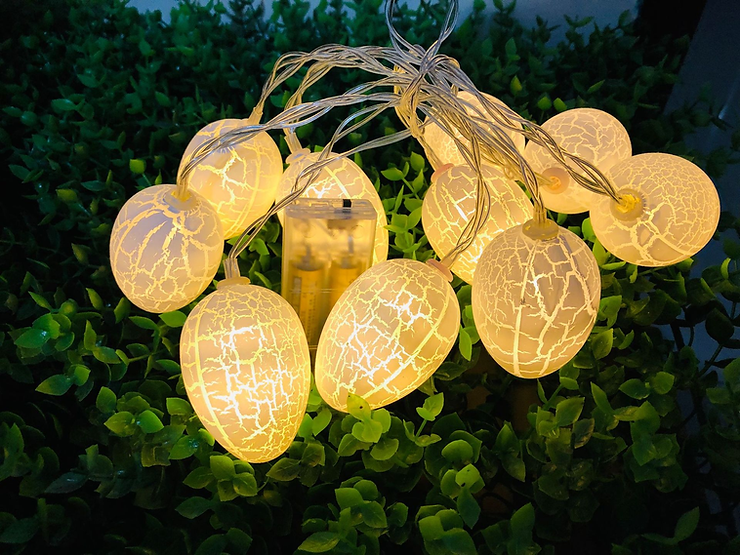
Why April is the window. Easter retail spend hit $24.0B in 2024 per NRF, with home decor the fastest-growing sub-category (+11% YoY). The specific SKU — egg-shaped LED string lights for both indoor and outdoor use — caught a popular TikTok creator wave in 2024 and has held demand into 2026. The window is short: search volume rises sharply on March 20, peaks April 1–4, and collapses by April 10. Operators who miss the cutoff sit on inventory until next March.
The buyer & the purchase trigger. The buyer is a 32–55-year-old suburban parent, weighted 70/30 female, who decorates for Easter as a family event with kids. The trigger is a Pinterest pin or a TikTok clip showing a backyard tree wrapped in pastel egg lights at dusk. Average cart is 2–3 strings plus a wreath or table runner from the supporting picks.
Landed-cost math
- Target retail: $15–$28 per string
- Ad cost target: $5–$9 CPA
- Net margin band: 60–75% on Etsy and Amazon
30-day operator plan
- Week 1 (Mar 15–21): Soft-launch on Pinterest with 8 styled pins. Build out the Amazon listing with seasonal keywords.
- Week 2 (Mar 22–28): Push Amazon listing live. Layer TikTok creative showing string lights wrapped around an indoor branch arrangement.
- Week 3 (Mar 29 – Apr 4): Maximize ad spend window — this is the conversion peak. Push “order by Apr 1 for Easter delivery” banner.
- Week 4 (Apr 5–10): Pivot remaining inventory to a 40%-off clearance, freeing cash flow for May. Do not hold this SKU past April 10.
Risk radar & exit signals. Battery-operated string lights with defective solder joints fail within one season — the supplier’s pre-shipment burn-in test is mandatory. UL or ETL certification is required for outdoor variants if you list them as weatherproof. Exit signal: if April 3 sell-through is under 50%, start the clearance on April 5 — do not wait, demand collapses immediately after the holiday.
Supporting April picks
- Spring Floral Door Wreaths (artificial peony) — $24–$45 · 55–68% margin · Etsy · Amazon · for holiday decorators refreshing the porch.
- Solar Rabbit Garden Stakes (LED) — $18–$32 · 60–72% margin · Amazon · Shopify · for suburban yard decorators.
- Easter Egg Decorating Kits (kid-friendly) — $14–$22 · 55–68% margin · Amazon FBA · for family buyers with kids 4–10.
- Pastel Outdoor Throw Pillows (waterproof) — $24–$42 · 50–62% margin · Wayfair · Shopify · for patio refresh buyers heading into spring.
- Mother’s Day Mirrored Jewelry Boxes — $22–$38 · 55–68% margin · Amazon · Etsy · for Valentine’s spillover gifters pre-ordering May gifts.
May
May anchors on Mother’s Day, plus the structural rise of at-home wellness. Self-care products that double as gifts win the month.
The hero: Electric Scalp Massagers

Why May is the window. US Mother’s Day spending hit $33.5B in 2024 per NRF, with personal care the second-largest category. Electric scalp massagers held viral status across TikTok through 2024–2025 and have settled into a sustained “daily self-care” search baseline through 2026 — the rare TikTok-launched product that did not collapse after its viral peak. The May window benefits from dual intent: gift-giving plus self-purchase, which lifts conversion by roughly 40% versus baseline months.
The buyer & the purchase trigger. Two buyer profiles share this SKU: the gift-giver shopping May 1–10 for Mother’s Day, and the self-care buyer shopping for herself May 11–31 after stress buildup peaks at month-end. The trigger is a 15-second TikTok showing the massager in use, often paired with an ASMR-style sound layer. The average cart is one unit plus a silk bonnet or eye mask from the supporting list.
Landed-cost math
- Target retail: $29–$59
- Ad cost target: $10–$16 CPA on Meta, $7–$12 upon TikTok Shop
- Net margin band: 60–75% on Shopify as well as TikTok Shop
30-day operator plan
- Week 1 (Apr 22–28): Photograph and edit 10 UGC angles — gift unboxing, in-use ASMR, before/after relaxation. Soft-launch at $50/day across Meta and Instagram.
- Week 2 (Apr 29 – May 5): Scale winning angles to $250/day. Launch “perfect Mother’s Day gift” creative angle. Push Shopify gift-card upsell at checkout.
- Week 3 (May 6–12): Final Mother’s Day push with countdown banner. Cut over to “end-of-week self-care” creative on May 11.
- Week 4 (May 13–31): Sustain self-purchase creative. Test a 2-pack “his + hers” bundle for AOV lift.
Risk radar & exit signals. Battery life is the dominant complaint — units that die within 6 weeks generate refund spikes as well as TikTok Shop review collapses. Spec a 1200mAh+ lithium-ion battery with 90-minute runtime. UN38.3 certification is required for air freight. Exit signal: if your May 10 Mother’s Day CPA exceeds $22, your creative is not landing on the gift angle — pause and re-shoot a gift-focused version before continuing.
Supporting May picks
- Silk Sleep Bonnets (mulberry) — $18–$32 · 60–75% margin · TikTok Shop · Shopify · for hair-care creators and curly-hair communities.
- Gua Sha Facial Tools (rose quartz) — $14–$26 · 65–78% margin · TikTok Shop · Amazon · for skincare buyers stacking with the scalp massager.
- USB Graphene Heated Eye Masks — $22–$38 · 55–68% margin · Amazon FBA · for screen-fatigued professionals.
- Aromatherapy Lava-Bead Diffuser Necklaces — $12–$22 · 65–78% margin · Etsy · Shopify · for wellness gifters at the impulse price.
- Personalized Mom Tumblers (laser-engraved) — $24–$42 · 60–72% margin · Etsy · Shopify · for the gift-stacking Mother’s Day buyer.
June
June is the year’s tightest summer-velocity window. Cooling products and outdoor-lifestyle products carry the month. For the deep-dive June companion read with eight summer-specific SKUs, see our June 2026 dropshipping product report.
The hero: Cooling Neck Fans

Why June is the window. Wearable cooling products accelerated into mainstream in Q2 2026 as US heat-wave coverage, commuting discomfort, and outdoor-fitness content spiked on TikTok and Reels. Cooling neck fans gathered momentum through “daily carry” lifestyle creators, gym influencers, theme-park vloggers, and outdoor workers showcasing hands-free cooling. Demand stays elevated through July 31, then drops sharply by mid-August.
The buyer & the purchase trigger. The buyer is a 24–45-year-old urban commuter, gym-goer, or outdoor parent who searches “portable fan for neck” after one specific heat-discomfort event — a hot subway ride, a kid’s soccer game in 95°F weather, or a Disney park line. The trigger is one TikTok Shop video showing the fan in use during exactly that moment. The average cart is one unit plus a misting bottle or cooling towel from the supporting list.
Landed-cost math
- Target retail: $29–$59
- Ad cost target: $8–$13 CPA on TikTok platform Shop, $11–$16 on Meta
- Net margin band: 55–75% using TikTok Shop and Shopify
30-day operator plan
- Week 1 (May 22–28): Build a UGC bank of 15 angles — commuter, gym, theme park, BBQ, festival, hike. Push 5 angles each towards TikTok and Meta at $30/day.
- Week 2 (May 29 – Jun 4): Scale winners aggressively — TikTok Shop CPMs spike after June 5, so the first week of June is the best CPA window.
- Week 3 (Jun 5–11): Sustain ad spend at $300/day. Add a 2-pack “his + hers” bundle and a battery-upgrade product variant.
- Week 4 (Jun 12–30): Track regional weather demand — pivot ad geography toward states with active heat warnings. Begin restock decision by June 22.
Risk radar & exit signals. Low-quality motors generate loud fan noise that drives refunds. Specify a brushless motor with 30 dB max noise at maximum speed, USB-C charging, and a 4000mAh+ battery. Avoid hollow-plastic builds — the hinge fails within two weeks of daily use. Exit signal: if July 15 sell-through is under 60%, do not restock for August — pivot remaining ad budget to the August USB-C hub launch.
Supporting June picks
- Insulated Tote with Drink Dispenser — $32–$48 · 60–70% margin · TikTok Shop · Shopify · for lifestyle creators with summer-BBQ audiences.
- Portable Misting Bottles (USB fan + mist) — $18–$32 · 55–68% margin · TikTok Shop · Amazon · for outdoor commuters and theme-park visitors.
- UV-Protective Beach Umbrellas (silver-coated) — $35–$65 · 50–60% margin · Amazon · Shopify · for beach and pool travelers.
- Cooling Towel Wraps (3-pack instant-cool) — $14–$24 · 60–72% margin · Amazon FBA · for gym-goers and outdoor workers.
- Solar Outdoor Bluetooth Speakers — $35–$59 · 50–60% margin · Amazon · Shopify · for BBQ and patio buyers stacking summer gear.
July
July anchors on Independence Day plus peak summer travel. Audio and outdoor products dominate.
The hero: Portable Bluetooth Speakers
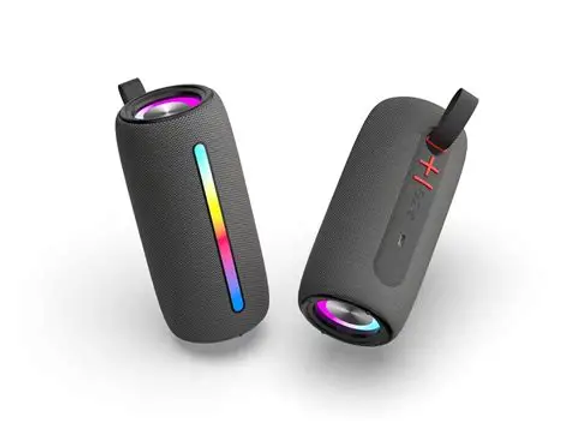
Why July is the window. Independence Day generates $9.5B in US retail spend per NRF, with outdoor-entertainment categories the fastest-growing. Portable Bluetooth speakers — specifically the rugged IPX7-rated category at the $35–$79 price point — hit their sustained search peak from June 20 through July 10. The category benefits from a structural tailwind: outdoor parties, beach trips, and BBQs are all single-purchase replacement events, and 2022’s first-wave speakers are dying out by 2026.
The buyer & the purchase trigger. The buyer is a 22–45-year-old recreational shopper packing for a beach trip, pool party, or BBQ. The trigger is a TikTok clip or Reels showing the speaker getting splashed in a pool while still playing music — water-resistance as performance art. The average cart is one unit plus a phone pouch or pool light from the supporting picks.
Landed-cost math
- Target retail: $35–$79
- Ad cost target: $12–$18 CPA
- Net margin band: 50–65% on Amazon FBA, 45–58% on Shopify after ad load
30-day operator plan
- Week 1 (Jun 22–28): Build creative around the pool-splash demo. Push to Meta & TikTok at $50/day each.
- Week 2 (Jun 29 – Jul 5): Scale to $300/day with Independence Day creative overlay. Launch Amazon listing with “July 4 ready” lifestyle imagery.
- Week 3 (Jul 6–12): Pivot creative to vacation-travel angle. Test a 2-pack bundle for AOV lift.
- Week 4 (Jul 13–31): Sustain at reduced spend. Begin August prep — the back-to-school window starts August 1.
Risk radar & exit signals. Battery aging is the silent killer. Specify lithium-ion cells from a known supplier (LG/Samsung-tier or audited equivalents), 500-cycle minimum at 80% capacity. Bluetooth pairing reliability is the second failure mode — spec Bluetooth 5.3 minimum. UN38.3 + FCC required. Exit signal: if your July 10 Amazon ranking falls outside the top 50 in the category, your listing is under-optimized, not your product — invest in PPC and review acceleration before pulling inventory.
Supporting July picks
- LED Floating Pool Lights (battery 4-pack) — $22–$38 · 55–68% margin · Amazon FBA · for suburban pool owners.
- Outdoor Picnic Blankets (waterproof XL) — $28–$48 · 55–68% margin · Shopify · Amazon · for weekend family travelers.
- Patriotic LED String Lights (red-white-blue) — $14–$26 · 60–72% margin · Amazon · Etsy · for July 4 yard decorators.
- Beach Cart Wagons (folding heavy-duty) — $79–$129 · 45–58% margin · Amazon · Shopify · for beach travelers hauling family gear.
- Waterproof Phone Pouches (IPX8) — $9–$18 · 65–78% margin · Amazon FBA · for water-park visitors at the impulse price.
August
Back-to-school plus the structural rise of the USB-C transition (Apple’s MFi USB-C cycle plus EU regulatory pressure) make August the highest-intent tech-accessory month of H2. The 30–45 demographic, shopping for college freshmen and the WFH desk-refresh buyer share the same SKU. For the DTC operational layer, see FFOrder’s DTC ecommerce fulfillment services.
The hero: USB-C Charging Hubs

Why August is the window. US back-to-school retail spend reached $41.5B in 2024 per NRF, with electronics the second-largest category. The USB-C transition — driven by Apple’s full USB-C lineup and the EU’s mandatory USB-C requirement — created a structural replacement cycle that runs from 2024 through 2027. Specifically, the 7-in-1 and 11-in-1 USB-C hub category has sustained search velocity from August 1 every year since 2023.
The buyer & the purchase trigger. Two converging buyers: the college freshman or returning student outfitting a dorm desk August 5–25, and the WFH professional refreshing the home-office setup August 15 onward. The trigger is a productivity-channel YouTube short showing a clean cable setup with one hub feeding monitor, keyboard, drive, and charging. The average cart is one hub plus a laptop stand or keyboard from the supporting picks.
Landed-cost math
- Target retail: $22–$45
- Ad cost target: $8–$13 CPA on Amazon PPC, $10–$15 on Meta
- Net margin band: 55–70% on Amazon FBA
30-day operator plan
- Week 1 (Jul 22–28): Pre-stage Amazon listing with full A+ content. Launch Amazon PPC at $40/day on exact-match keywords.
- Week 2 (Jul 29 – Aug 4): Layer in Meta creative targeting the back-to-school parent demographic. Push email sequence to existing customers with “refresh your desk” angle.
- Week 3 (Aug 5–11): Scale Amazon PPC to $150/day — this is the peak conversion window. Launch a 2-pack bundle for dorm-room buyers.
- Week 4 (Aug 12–31): Sustain Amazon spend; pivot Meta creative to the WFH angle. Begin restock decision by August 22.
Risk radar & exit signals. Cheap hubs throttle at under-spec wattage and trigger refunds. Specify true 100W power delivery verified on a USB-C tester, MFi-equivalent USB-C cables, and a dedicated 4K@60Hz HDMI output. UL/FCC required. Exit signal: if August 15 review velocity is below 1 review per 15 units sold on Amazon, your packaging insert is not driving review requests — fix immediately, not on the next restock.
Supporting August picks
- Aluminum Adjustable Laptop Stands — $22–$38 · 60–72% margin · Amazon · Shopify · for college and WFH desk-builders.
- Anti-Glare Blue Light Glasses — $14–$28 · 65–78% margin · Amazon · TikTok Shop · for screen-time-conscious students.
- Dorm Mini Fridges (4L cosmetic-style) — $48–$79 · 50–60% margin · Amazon · Shopify · for college freshmen — high AOV anchor.
- Magnetic Locker Organizer Shelves — $14–$24 · 55–68% margin · Amazon FBA · for middle and high school students.
- Low-Profile Mechanical Keyboards (RGB) — $59–$99 · 45–58% margin · Shopify · Amazon · for gamer-student desk upgrades.
September
September is the year’s most reliable cozy-aesthetic window. Pumpkin spice culture and autumn home-decor refresh drive consistent volume.
The hero: Plush Throw Blankets

Why September is the window. Pinterest Predicts 2026 names “hygge revival” as a top home trend, with autumn-aesthetic searches lifting sharply on September 1. Plush throw blankets — specifically the oversized sherpa-lined variant — hit sustained search peak from September 15 through November 15 every year since 2021, with the September window providing the cleanest CPA before holiday CPMs spike in October.
The buyer & the purchase trigger. The buyer is a 28–55-year-old female refreshing the couch, bed, or reading nook for autumn. Two-thirds of orders are self-purchases, one-third are gifts. The trigger is a reel showing the blanket laid over a couch with a coffee cup and a lit candle in frame. The average cart is one blanket plus a fall candle or pumpkin mug from the supporting picks.
Landed-cost math
- Target retail: $28–$55
- Ad cost target: $9–$14 CPA
- Net margin band: 55–70% on Shopify DTC and Amazon
30-day operator plan.
- Week 1 (Aug 22–28): Ensure sea-freight inventory has cleared US customs. Photograph styled couch/bed/nook angles in autumn settings.
- Week 2 (Aug 29 – Sep 4): Soft-launch on Meta at $50/day with hygge creative. Open the Amazon listing.
- Week 3 (Sep 5–11): Scale Meta to $250/day. Launch “autumn refresh” Shopify collection bundle.
- Week 4 (Sep 12–30): Sustain spend; begin layering October-prep creative for holiday gift gifting angle.
Risk radar & exit signals. Cheap sherpa pills within two washes — the texture goes from luxury to ratty fast. Specify 380 GSM minimum sherpa with a polyester back. Run a 3-wash test before approving the production run. Exit signal: if your September 20 return rate exceeds 6%, the fabric quality is failing — switch supplier before October restock, not after.
Supporting September picks
- Fall-Scented 3-Wick Soy Candles — $18–$32 · 60–72% margin · Shopify · Etsy · for autumn-aesthetic creators.
- Pumpkin Spice Stoneware Mug Sets (2-pack) — $22–$38 · 55–68% margin · Shopify · Etsy · for cozy-home decorators.
- Sherpa-Lined Knit Slipper Socks — $14–$24 · 60–72% margin · Amazon FBA · for comfort-first impulse buyers.
- Weighted Lap Pads (5lb fleece) — $28–$48 · 55–68% margin · Amazon · Shopify · for anxiety-relief gifters.
- Artificial Maple Autumn Door Wreaths — $32–$55 · 55–68% margin · Etsy · Amazon · for seasonal porch decorators.
October
Halloween is the year’s third-largest holiday by retail spend. October’s velocity window is short and intense.
The hero: LED Pumpkin String Lights

Why October is the window. Halloween retail spend hit $12.2B in 2024 per NRF, with home decor the fastest-growing sub-category. LED pumpkin string lights — specifically the orange-with-black-spider variant and the warm-white pumpkin variant — hit sustained search peak from September 25 through October 25. Demand collapses 80% by November 1.
The buyer & the purchase trigger. The buyer is a 28–55-year-old suburban parent decorating the front porch or yard for trick-or-treaters. Two-thirds are female. The trigger is a Pinterest pin or Reels showing a wrapped tree or porch railing glowing orange at dusk. Average cart is 2–4 strings plus a pumpkin candy bowl or projector light from the supporting picks.
Landed-cost math
- Target retail: $18–$32 per string, $45–$68 per 3-pack
- Ad cost target: $6–$10 CPA
- Net margin band: 60–75% on Amazon and Etsy
30-day operator plan
- Week 1 (Sep 22–28): Pre-stage Amazon and Etsy listings. Launch Pinterest pins early — Pinterest converts on a longer lead than TikTok or Meta.
- Week 2 (Sep 29 – Oct 5): Scale Pinterest ads to $50/day. Push Amazon listing live with seasonal A+ content.
- Week 3 (Oct 6–12): Peak conversion window. Maximize Meta plus TikTok spend. Push “deliver by Oct 25” urgency banner.
- Week 4 (Oct 13–25): Sustain spend through October 20. Pivot remaining inventory to a 40%-off clearance starting October 25. Do not hold past November 1.
Risk radar & exit signals. Battery contacts corrode within one season if the supplier uses uncoated steel — spec gold-coated contacts. Exit signal: if the October 20 sell-through is under 70%, start the clearance on October 22 — Halloween demand collapses immediately after October 31.
Supporting October picks
- Inflatable Halloween Yard Decor (LED 8ft) — $48–$89 · 45–58% margin · Home Depot · Amazon · for yard decorators going big.
- Spooky Projector Lights (HD pattern) — $32–$55 · 55–68% margin · Amazon · Shopify · for family and party hosts.
- Costume Accessory Kits (wigs + props) — $14–$28 · 60–72% margin · Amazon FBA · for last-minute costume buyers.
- Animated Halloween Candy Bowls — $24–$42 · 55–68% margin · Amazon · TikTok Shop · for parents.
- Witch’s Cauldron Smoke-Effect Diffusers — $22–$38 · 60–72% margin · Etsy · Shopify · for Halloween party hosts.
November
November is BFCM. Wireless earbuds are the highest-velocity gifting electronics category of the US holiday calendar.
The hero: Wireless Earbuds

Why November is the window. US BFCM 2024 generated $41.1B in online sales per Adobe Analytics, with consumer electronics the leading category. Wireless earbuds — specifically the $35–$89 mid-tier with active noise cancellation — held the #1 BFCM gift-search position three years running. The November window benefits from staggered intent: early-November self-purchase buyers, BFCM gifters, and last-minute Cyber Week shoppers all converge on the same SKU.
The buyer & the purchase trigger. Three buyer profiles share this SKU: self-purchasers refreshing aging earbuds (October 25 – November 15), BFCM gifters shopping for spouses or kids (November 24 – December 2), and Cyber Week deal-hunters (December 1–5). The trigger is a price-anchored Amazon Lightning Deal or a comparison reel showing the earbuds beating a name-brand on noise cancellation. Average cart is one unit, occasionally a 2-pack “his + hers” bundle.
Landed-cost math
- Target retail: $35–$89
- Ad cost target: $14–$22 CPA on Amazon PPC (BFCM elevated CPM)
- Net margin band: 45–60% after BFCM discount stacking
30-day operator plan
- Week 1 (Oct 22–28): Submit BFCM Lightning Deal and 7-day Deal applications to Amazon. Build creative around the price-anchor and ANC demo.
- Week 2 (Oct 29 – Nov 4): Launch self-purchase creative on Meta. Push Amazon PPC at $80/day to build review velocity ahead of BFCM.
- Week 3 (Nov 5–11): Scale Amazon PPC to $200/day. Open Shopify gift-bundle SKU with 2-pack pricing.
- Week 4 (Nov 12–30): Maximize spend across Amazon and Meta through Cyber Monday. Push gift-card upsell at checkout. Begin December restock decision by November 25.
Risk radar & exit signals. Bluetooth 5.0 or older specs trigger instant review collapse — 5.3 minimum, with verified ANC depth (typically 28dB+) and a 6-hour single-charge runtime. UN38.3 + FCC required. Exit signal: if the November 22 review velocity is below 2 reviews per 50 units sold, your packaging insert is failing — fix immediately, not after BFCM.
Supporting November picks
- Silicone Smartwatch Band Multi-Packs (5-pack) — $14–$24 · 65–78% margin · Amazon FBA · for holiday gift-stacking.
- USB Cup-Warmer Heated Mugs — $18–$32 · 60–72% margin · Amazon · TikTok Shop · for WFH gifters.
- Over-Door Gift Wrap Organizer Bags — $22–$38 · 55–68% margin · Amazon FBA · for holiday hosts prepping wrapping stations.
- Friendsgiving Acacia Wood Serveware — $32–$58 · 50–62% margin · Shopify · Etsy · for holiday entertainers.
- Memory Foam Travel Neck Pillows — $18–$32 · 60–72% margin · Amazon · TikTok Shop · for Thanksgiving travelers.
December
December anchors on gifting, plus the structural cozy-comfort buy. Slippers are the year’s single most-gifted comfort SKU.
The hero: Memory Foam Slippers

Why December is the window. US holiday-season slippers and comfort-footwear sales hit $3.8B in 2024 per Grand View Research, with memory foam the fastest-growing sub-category. The December window combines three demand streams: gift-giving (December 5–22), self-purchase for winter comfort (December 1 onward), and last-minute Christmas Eve panic buying (December 22–24). The category benefits from low return rates — slippers fit a wide range of foot sizes if specified correctly.
The buyer & the purchase trigger. Three buyer profiles: the spouse/parent gifter (December 5–22), the self-purchase comfort buyer (year-round, peaks December), and the last-minute gifter (December 22–24). The trigger is a Reels showing the slipper being unboxed and worn, with the buyer’s reaction — “these are softer than I expected” is the dominant comment driver. The average cart is one pair, with 30% of orders adding a second pair for a household member.
Landed-cost math
- Target retail: $24–$45
- Ad cost target: $10–$15 CPA on Meta, $8–$12 on Amazon PPC
- Net margin band: 55–70% on Amazon and Shopify
30-day operator plan
- Week 1 (Nov 22–28): Confirm sea-freight inventory has cleared customs. Launch BFCM/Cyber Monday creative as a gifting angle.
- Week 2 (Nov 29 – Dec 5): Scale Meta to $200/day with gift-unboxing creative. Push Amazon PPC to $80/day.
- Week 3 (Dec 6–12): Sustain spend; layer in “his + hers” bundle creative. Add a Christmas Eve delivery countdown banner.
- Week 4 (Dec 13–24): Maximize last-mile delivery cutoff messaging — “order by Dec 20, US delivery guaranteed.” Cut over to year-end self-purchase creative on December 26.
Risk radar & exit signals. Memory foam compresses if the supplier uses density below 45kg/m³ — the slipper feels great in week 1, flat by week 6, and reviews collapse by week 8. Spec 50kg/m³ minimum density and requires a compression-recovery inspection certificate. Exit signal: if your December 18 sell-through is under 75%, do not push for last-mile express shipping — fulfillment surcharges erase the margin. Hold the remaining inventory for January self-purchase clearance.
Supporting December picks
- Heated Throw Blankets (USB + electric) — $48–$89 · 50–60% margin · Amazon · Shopify · for winter gifters at the high-AOV anchor.
- Christmas Laser Light Projectors — $28–$55 · 55–68% margin · Amazon FBA · for suburban yard decorators.
- Personalized Embroidered Stocking Sets — $24–$42 · 60–72% margin · Etsy · Shopify · for family gifters.
- Hot Chocolate Bomb Silicone Molds (6-cavity) — $9–$18 · 65–78% margin · Amazon · TikTok Shop · for baking creators.
- LED Countdown Letter Lights (NYE decor) — $32–$58 · 55–68% margin · Amazon · Etsy · for New Year party hosts.
How to Choose the Right Dropshipping Product for Your Store
Do not pick a product before you pick the channel, and do not pick the channel before you pick the buyer. The single most predictable failure pattern in US dropshipping in 2026 is the operator who selects a product on margin alone and then tries to retrofit a channel underneath it. Reverse the order: start from the buyer profile (age, income, trigger event), match that profile to a channel where they actually convert (Amazon FBA for search-intent buyers, TikTok Shop for impulse-velocity buyers, Shopify DTC for brand-led buyers), and then choose the product that lives natively in that channel. If your team’s strength is paid social with strong creative output, Amazon-native products like USB-C hubs will underperform. If your team is Amazon listing-disciplined, TikTok-velocity products like ice bath bowls will burn ad budget. The 12 hero products in this guide are mapped to a specific channel for a reason — respect the mapping.
How to Build a Successful Dropshipping Business in 2026
Choosing seasonal products is just the start. As orders grow, challenges like fulfillment, inventory, and daily operations emerge. In 2026, success isn’t just about what you sell—it’s about running your business efficiently. A partner like FFOrder helps handle sourcing, automated orders, inventory, and global fulfillment, turning seasonal ideas into scalable results.
Here’s how FFOrder can support your dropshipping business and streamline operations:
Automate Order Management to Save Time and Reduce Errors
When orders are handled manually, small mistakes add up quickly—especially during seasonal spikes. Missed orders, delayed shipments, or incorrect tracking can damage customer trust.
Automated order processing connects your store directly to your fulfillment system, ensuring that orders flow smoothly from checkout to shipment. This not only reduces human error but also frees up time you can reinvest into marketing, product testing, and customer experience.
Simplify Your Supply Chain with Fast, Global Fulfillment
Shipping is often the first physical touchpoint customers have with your brand. Slow or unreliable delivery can undermine even the best product selection.
Working with a fulfillment partner that supports global, trackable shipping helps you meet customer expectations across different regions. Faster delivery times, transparent tracking, and consistent handling are especially critical during peak seasons when order volumes surge.
Manage Multiple Sales Channels in One Place
Many sellers expand beyond a single storefront—adding marketplaces, regional stores, or social commerce channels. Without centralized control, managing orders across platforms becomes chaotic.
Unified, omnichannel fulfillment allows you to handle all orders through one system, keeping operations consistent regardless of where customers place their orders.
Gain Visibility with Clear Inventory Insights
Inventory issues often surface at the worst possible time—when demand is high. Running out of stock too early or over-ordering the wrong products can directly impact profitability.
Clear inventory visibility helps you make better restocking decisions, plan seasonal demand more accurately, and avoid unnecessary cash flow pressure.
Stay Ahead with Regularly Updated Trending Products

Seasonal success depends heavily on timing. Products that perform well early in a trend often generate the highest margins.
Access to regularly updated trending products allows sellers to test faster, react to market shifts, and avoid entering oversaturated niches too late in the cycle.
Faster Sourcing Means Faster Market Entry
Speed matters in dropshipping. The ability to source products quickly—especially for seasonal or trend-driven items—can be the difference between leading a trend and chasing it.
Efficient sourcing workflows help sellers validate products earlier and shorten the time from idea to live listing.
Build Brand Value Through Customization and Branding
Not every seller starts with branding, but for those aiming to scale sustainably, customization becomes increasingly important. Custom packaging, product modifications, and branding elements help differentiate your store and improve customer retention.
Over time, these touches contribute to higher perceived value, stronger brand recognition, and better repeat purchase rates.
Best Dropshipping Products vs. Best Dropshipping Niches — Which to Pick First?
Products are tactical; niches are strategic. The right sequence for a new operator is niche first, then product — pick the category where you can build a brand, then layer in the seasonal SKU calendar. The right sequence for an established operator with current infrastructure is product first, then bolt onto an adjacent niche — leverage what you already operate and let calendar timing drive incremental revenue. The 12 hero products in this guide are designed to plug into seven niches: home organization, personalized gifting, plants and gardening, seasonal decor, wellness and self-care, audio and tech accessories, and soft comfort. If you have not chosen a niche, start with our niche-selection guide for 2026 before you stock a single product.
Sourcing & Fulfillment Playbook for US Dropshippers in 2026
A 2026 US dropshipping operator survives or dies on three sourcing decisions. First, landed cost transparency: your supplier must quote FOB plus a true DDP-to-US amount within 72 hours, including duties, customs brokerage, and last-mile injection cost. Second, per-batch QC discipline: every regulated product on this list (electronics, FDA-adjacent wellness, electrical decor) requires a per-batch QC sample with a published failure threshold — if your supplier does not offer this, switch suppliers, not your QC standard. Third, regional fulfillment redundancy: holding all US-bound inventory in a single coast creates a 5–8 day delivery penalty for the opposite coast and a single point of customs failure. The operators who win 2026 run multi-hub fulfillment with at least one West Coast and one East Coast injection.
FFOrder’s sourcing network spans 40,000+ vetted source factories with three Chinese fulfillment centers and four regional teams across Brazil, Vietnam, Australia, and Europe. For the supplier-vetting side, see our deep dive on dropshipping suppliers in 2026. For the fulfillment-operations side, see FFOrder’s dropshipping fulfillment program — built for US-bound dropshipping volume since 2017.
FAQs
Should I focus on seasonal products or evergreen products?
Ideally, you should focus on both. Seasonal products can generate strong sales spikes during peak periods, while evergreen products provide stable, year-round revenue. A balanced product mix helps ensure consistent growth while allowing you to capitalize on high-demand seasons.
What makes a product ideal for dropshipping in 2026?
In 2026, strong dropshipping products are easy to ship, offer healthy profit margins, and either solve real problems or trigger impulse purchases. Markets that are not overly saturated perform best. Products with unique features that are hard to find locally have even greater potential.
How to find the best dropshipping products?
To find the best dropshipping products, you can use Google Trends and Google Keyword Planner to spot demand trends. Then, validate product ideas by reviewing best-sellers, customer reviews, and pricing on Amazon, Etsy, and eBay.
Which dropshipping niches have the highest success rates?
Dropshipping niches with consistently high success rates include phone accessories, beauty tools, fitness equipment, home decor, and pet supplies. These niches have year-round demand and evolve quickly, making it easier for new trends and winning products to emerge.
What are the best dropshipping products for beginners in 2026?
Smart storage cubes (January) and plush throw blankets (September) are the cleanest beginner products: predictable seasonal demand, low compliance burden, low return rates if specced correctly, and high creative output flexibility. Avoid electronics (USB-C hubs, wireless earbuds) and regulated wellness (red light masks, app-controlled pet feeders) until you have an established QC and review-management process.
Which seasonal dropshipping products are worth selling in 2026?
Three seasonal accents pay back inside their narrow window: Easter LED egg string lights (April), cooling neck fans (June), and LED pumpkin string lights (October). Each generates a 4–6 week velocity peak, then collapses. The discipline is to clear inventory on the closing edge of the window — do not hold seasonal products into the off-season, hoping for recovery.
How do I find trending dropshipping products for the US market?
Cross-reference four signals: Google Trends 4-quarter chart for sustained demand, TikTok Shop creative center velocity for impulse signal, Amazon BSR movement over 90 days for search-intent demand, and Pinterest Predicts for forward-looking aesthetic shifts. Do not rely on any single source — popular TikTok products without Google Trends as well as Amazon BSR backing fail within 8 weeks.
What are the best dropshipping products to sell using TikTok Shop in 2026?
Personalized name necklaces, cooling neck fans, and electric scalp massagers are the three highest-converting hero products on the TikTok platform Shop. Among supporting picks, gua sha facial tools, LED eternal rose gift boxes, and animated Halloween candy bowls match the platform’s impulse-velocity profile. TikTok Shop rewards SKUs with strong before/after demo potential and short time-to-trigger.
What’s a realistic profit margin on dropshipping products in the US in 2026?
Blended across the 12 hero products and 60 supporting picks, expect 50–65% net margin on Shopify DTC after ad spend, 40–55% on Amazon FBA after referral and FBA fees, and 55–70% on the TikTok platform Shop after platform commission. Operators clearing above 70% blended are either running a personalization upcharge or operating in a low-competition niche — both are defensible but not the baseline.
What compliance risks should I watch for on these dropshipping products?
Four categories carry the highest compliance burden: wireless audio (UN38.3 + FCC + Bluetooth SIG), wellness electronics (FDA Class II registration depending on claims), USB-C electronics (UL listing for power delivery), and electrical decor (UL or ETL for outdoor variants). Personalized jewelry carries California Proposition 65 risk on metal alloys. Consistently verify supplier-provided certifications independently — fake certificates appear regularly in this category.
How often should I refresh my product mix?
Quarterly. The 12 hero products in this guide are calibrated for 2026 with a six-month confidence window; revisit the mix on June 1, 2026 (the next FFOrder dropshipping product update) and again on December 1, 2026, for 2027 planning. Seasonal accents (April, June, October) require active inventory clearance at the end of their window — do not carry them into the next season, hoping for recovery.
Conclusion
Planning ahead and choosing the right seasonal products is the key to staying ahead in the US market. By understanding consumer trends, aligning with seasonal demand, and keeping your store ready for timely launches, you can turn each quarter into a revenue opportunity.
2026 is all about combining smart product choices with efficient operations. Stay proactive, test trending products early, and keep a close eye on what your customers want. With the right approach, you can build a dropshipping business that’s not just profitable—but sustainable all year long.
FFOrder Team
FFOrder helps growing brands run dropshipping and fulfillment as one system — from sourcing across 40,000+ factories to global shipping and structured after-sales.
Ready to Source Your Next Winning Product?
Validate products, compare suppliers, manage quality control, and fulfill global orders with FFOrder’s dropshipping solutions.

-1200x628%20(14).png)