
What Is 3PL? A Practical Guide for Ecommerce Brands
Learn what third-party logistics means, how 3PL fulfillment works, when outsourcing makes sense, and what to check before choosing a partner.

• Understand what 3PL means and which ecommerce fulfillment activities it can cover.
• Learn how inventory moves from receiving and storage to pick, pack, shipping and returns.
• Compare 3PL, dropshipping, freight forwarding and 4PL operating models.
• Identify when a growing ecommerce business should consider outsourcing fulfillment.
• Understand the benefits and trade-offs of working with a 3PL partner.
• Evaluate inventory visibility, integrations, pricing, packaging, returns and exception handling before choosing a provider.
• Define the operating rules a fulfillment partner needs before inventory reaches the warehouse.
What Is 3PL? A Practical Guide for Ecommerce Brands
Learn what third-party logistics means, how 3PL fulfillment works, when outsourcing makes sense, and what to check before choosing a partner.
Fulfillment rarely breaks in one dramatic moment. It gets harder in small, expensive ways: stock becomes difficult to locate, orders wait to be packed, tracking questions pile up, and returns sit without a clear owner. Add several suppliers, branded packaging or more sales channels, and a simple shipping task becomes an operating problem.
That is where 3PL comes in. A third-party logistics provider can take on agreed work such as warehousing, inventory handling, pick and pack, shipping and returns. In a typical ecommerce model, the brand sends inventory to the provider; the warehouse processes customer orders as they arrive.
The brand is not handing over every decision. It still controls product selection, replenishment, packaging standards, customer promises and the rules for exceptions. The 3PL is there to run the agreed process well.
For a comparison focused on providers that receive and fulfill China-sourced inventory, see 6 Best China 3PL Providers for Ecommerce in 2026.
What Does 3PL Mean?
In simple terms: A 3PL stores inventory and carries out agreed fulfillment work after an order is placed.
3PL stands for third-party logistics. For ecommerce businesses, it usually covers the physical work behind an order: receiving goods, storing them, picking items, packing parcels, arranging shipment and handling returns.
Fulfillment is part of 3PL, but the two are not identical. A fulfillment center may concentrate on ecommerce order processing. A 3PL can also include inventory management, transportation coordination, distribution and returns. Some providers offer little more than storage and local delivery; others manage multichannel orders, kitting, labeling, branded packaging or cross-border shipping.
A 3PL is therefore more than a place to keep boxes. It is an operating partner. Before signing up, establish exactly what is included: receiving, inventory reporting, pick and pack, shipping, returns, system integrations, packaging requirements and the markets the provider can serve.
How Does 3PL Work? The Ecommerce Fulfillment Process
The process begins before the first customer order. Inventory needs to be received, checked, stored and connected to the right sales channels before a warehouse can fulfill it accurately. If products are still being sourced, our China Sourcing Guide 2026: Platforms, Agents & Best Practices explains how to set up the upstream supplier process before inventory reaches the warehouse.
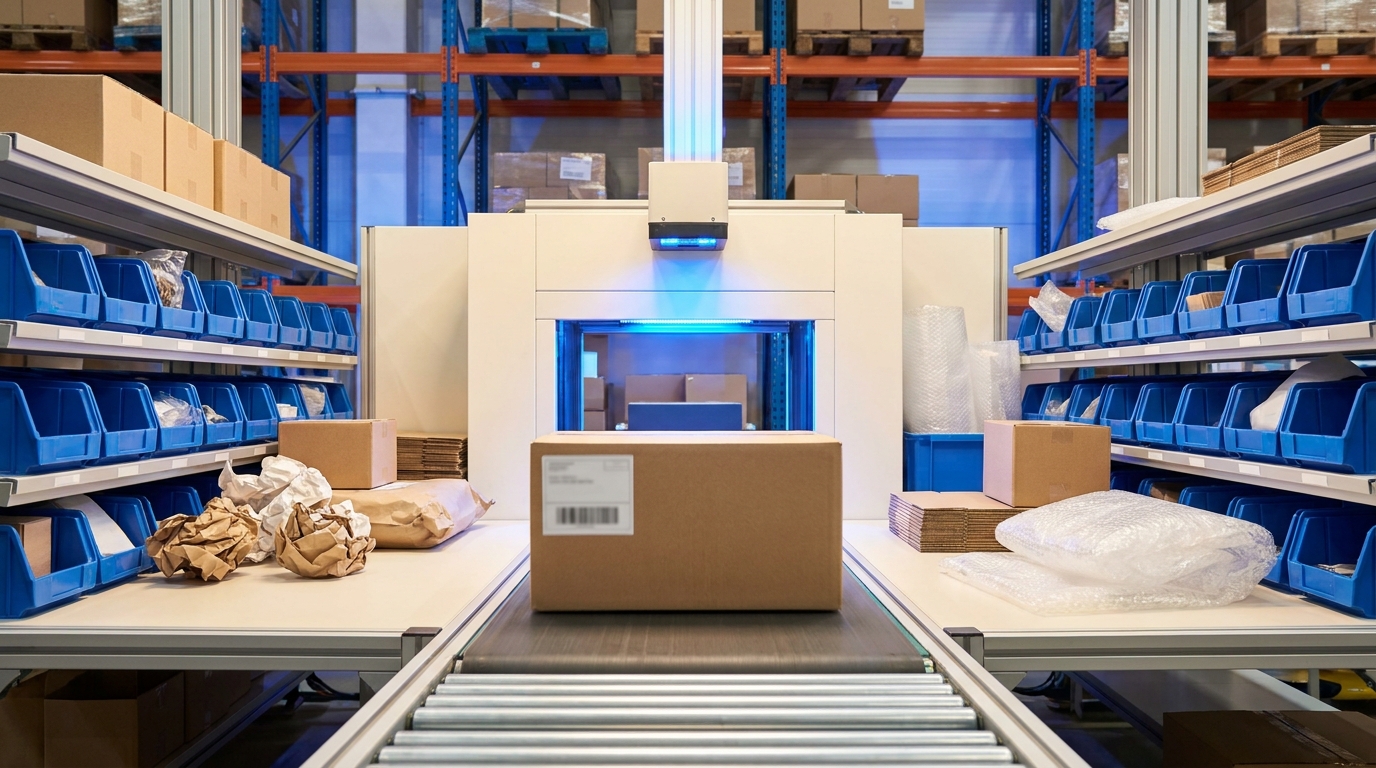
1、Inventory Arrives at the Warehouse
Products arrive from a factory, supplier or another warehouse. The inbound shipment should match a clear SKU list, quantity record, carton details, packaging requirements and any special-handling instructions. That groundwork reduces the chance of stock being recorded under the wrong SKU or released for sale too soon.
2、Receiving and Checking
The warehouse counts cartons and records what has arrived. Short shipments, visible damage, mixed SKUs and incorrect packaging should be logged before stock goes live. It is far easier to isolate a supplier-side problem at receiving than after customer orders have begun to ship.
3、Storage and Inventory Control
Approved stock is labeled, stored and recorded in the inventory system. Useful visibility is not just a total unit count. It shows what is available, reserved, damaged, low in stock or still waiting for inspection. When physical stock and system data drift apart, overselling and avoidable customer-service work follow.
4、Orders Are Sent to the Warehouse
Orders from Shopify, WooCommerce, marketplaces or other connected channels move into the fulfillment workflow. Product details, addresses, delivery choices and packaging instructions must transfer correctly. Automation is helpful only when the underlying order and inventory rules are clear; otherwise it simply moves errors faster.
5、Pick, Pack and Ship
The warehouse picks the items, checks quantity, prepares the parcel and applies the label. This is also where bundles, inserts, branded packaging, protective materials and special labels are handled. For fragile or high-value products, packing standards matter as much as dispatch speed.
6、Tracking, Returns and Exceptions
Tracking is shared after dispatch, but a complete process also covers delayed, returned, damaged, refused, incomplete or incorrectly addressed orders. Reliable fulfillment does not assume exceptions will disappear. It gives them an owner and a defined route to resolution.
The point: A 3PL does not merely ship orders. It manages the agreed work between inventory arriving and the customer receiving—or returning—the product.
What Services Does a 3PL Provide?
A 3PL can take on much more than storage and dispatch. Scope varies by provider, product and market, so it is worth checking the work behind each service label.
Warehousing and Inventory Management
Warehousing begins with receiving, SKU identification, quantity records and put-away—not with a carton sitting on a shelf. That structure is especially important when products come from multiple suppliers or use different packaging formats.
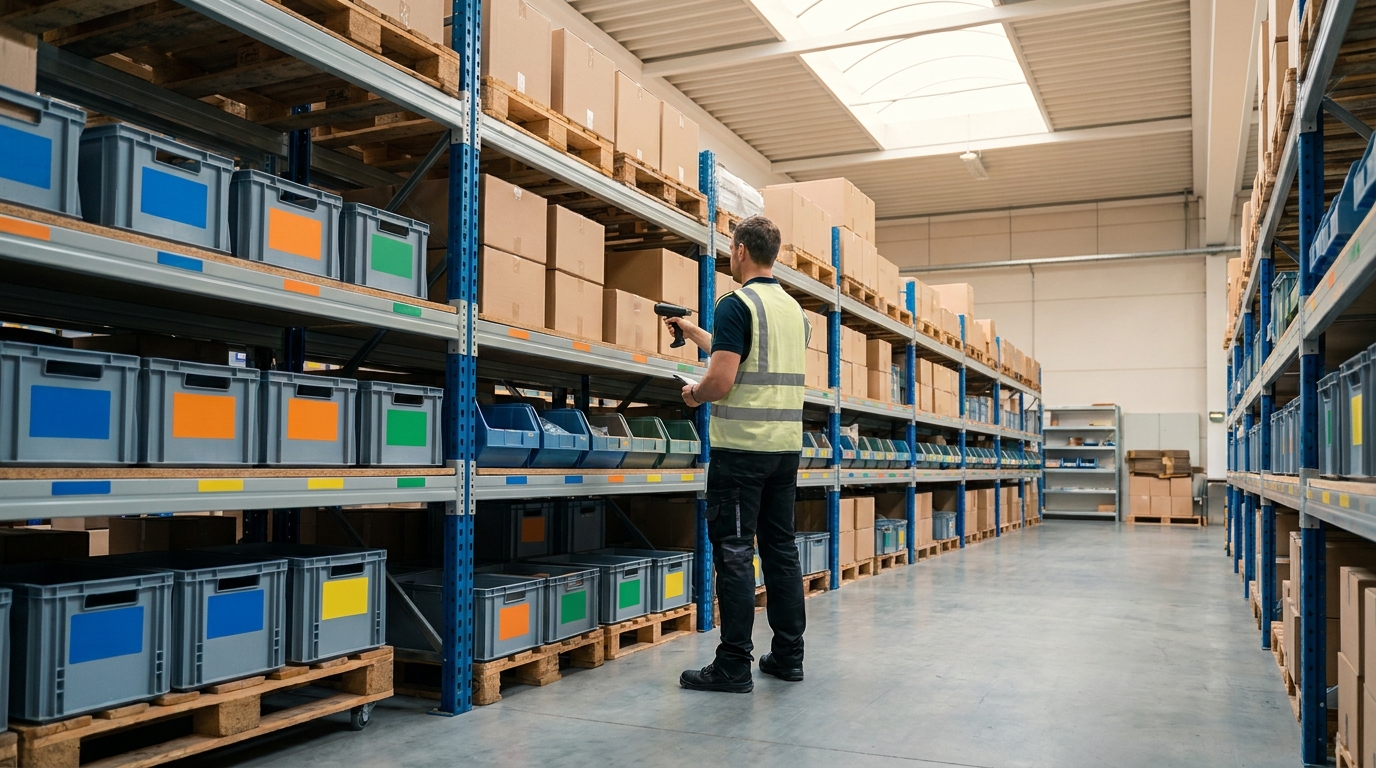
You should be able to see what is sellable, reserved, damaged, running low or awaiting review. Some products also require batch tracking, expiry-date control, serial-number records or specific storage conditions.
Inventory data is only useful if it matches the physical stock.
Pick, Pack and Order Fulfillment
For each order, the warehouse picks the correct SKU, checks quantity and follows the required packing instructions before labeling and dispatch. The details matter most when something is not routine: a stockout, a variant, a multi-item order, a bundle or a gift-with-purchase campaign.
A good process catches those exceptions before the parcel reaches the customer. Fast picking alone is not a quality standard.
Kitting, Labeling and Branded Packaging
Kitting combines separate SKUs into one ready-to-ship set. Labeling can include barcodes, warnings, marketplace labels, replacement labels and product instructions. Branded packaging may include inserts, thank-you cards, custom boxes, tape and protective materials.
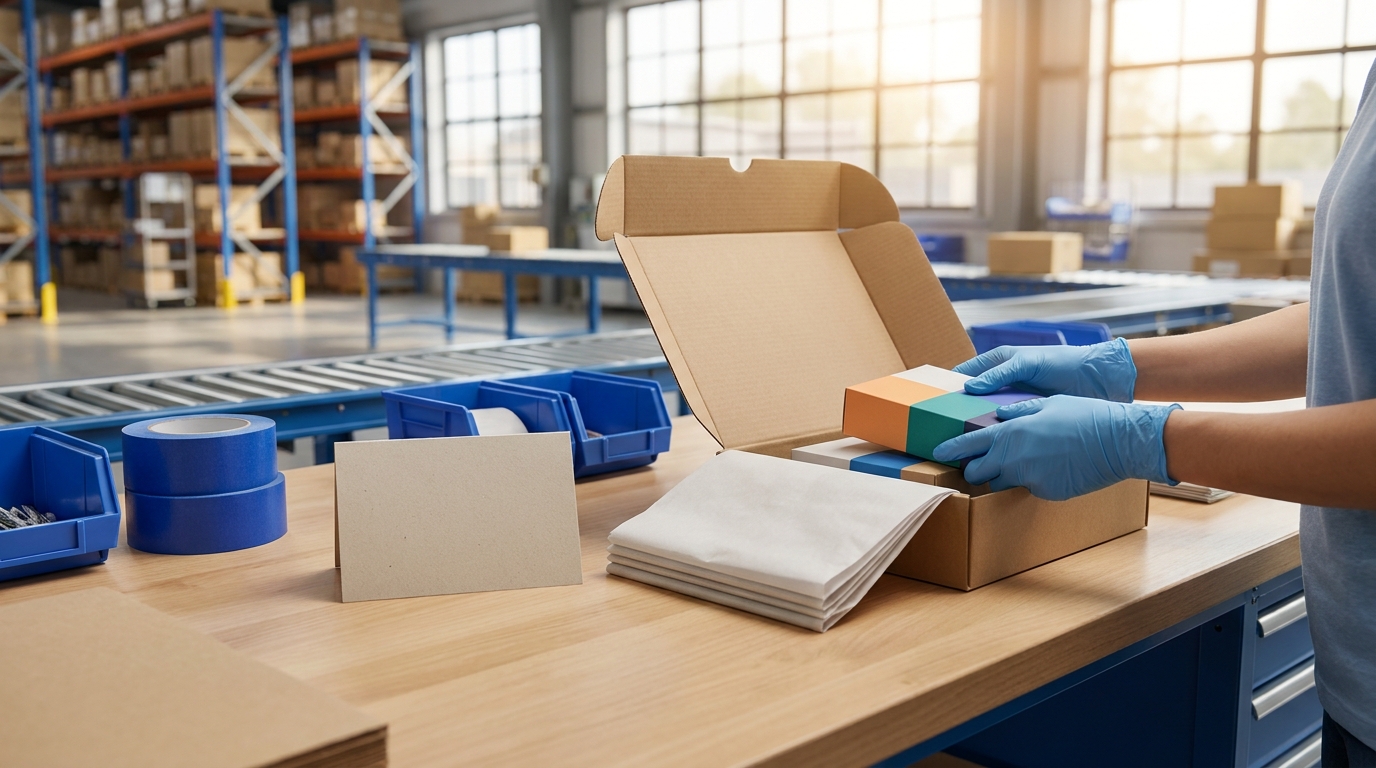
Each addition changes the work. It may require its own inventory record, packing step and quality check; it can also affect carton size, labor time and shipping cost. For a broader look at direct-to-consumer execution, see DTC Fulfillment: Benefits, Challenges, and Best Practices.
Packaging is part of fulfillment, but it is also part of the customer experience.
Shipping and Delivery Coordination
A 3PL can prepare a parcel for a suitable service based on destination, service level, size, weight and product restrictions. Domestic and cross-border deliveries work differently, particularly where tracking, remote areas or customs documentation are involved.
Price should not be the only comparison. Check tracking coverage, delivery consistency, claims rules and the process for a delayed, lost or damaged parcel.
Returns and Reverse Logistics
A returned parcel needs to be received, inspected and recorded. Depending on the agreed rules, the product may be restocked, quarantined, refurbished, destroyed or sent back to a supplier.
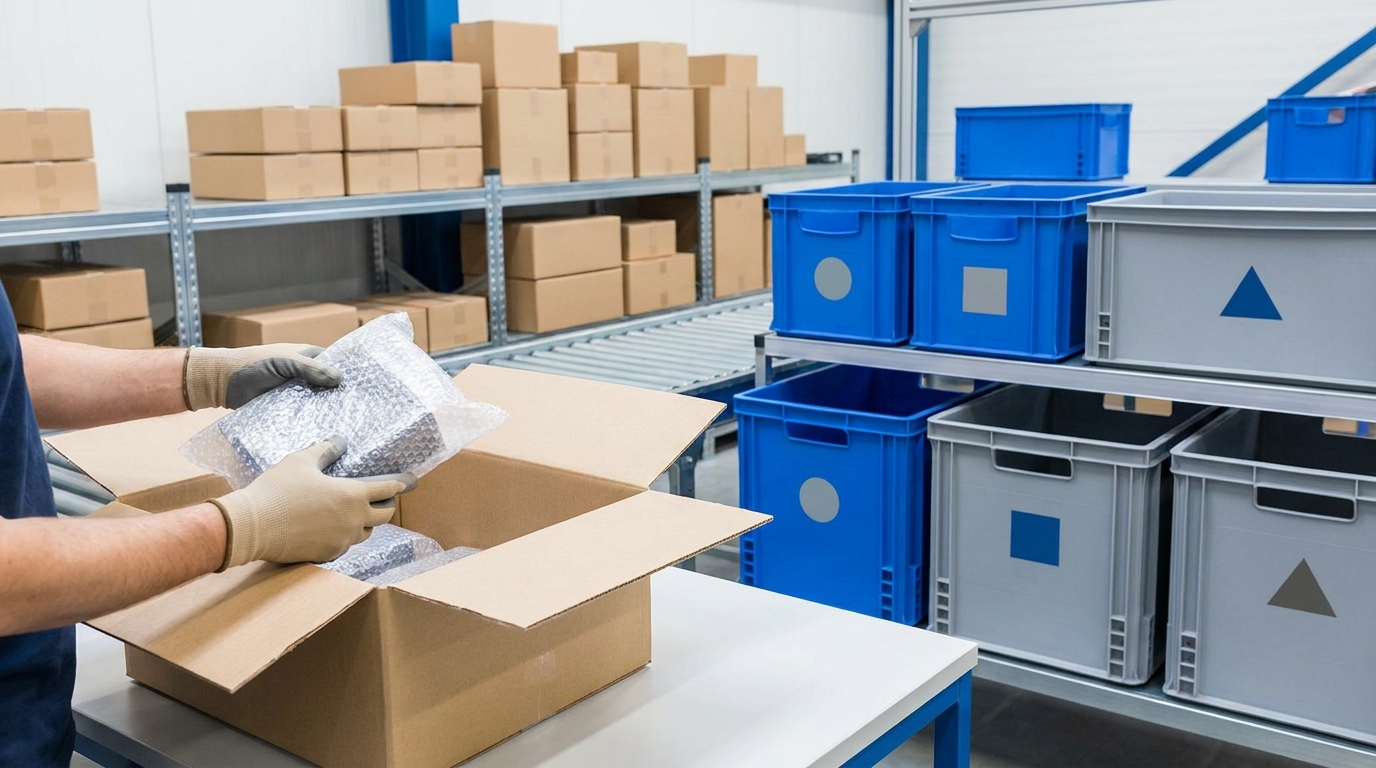
The warehouse can process the physical return. The brand still needs a policy on refunds, reshipments and whether the stock can be sold again.
When Should an Ecommerce Brand Use a 3PL?
A 3PL becomes relevant when fulfillment is no longer a manageable back-office task. If the team is repeatedly pulled from product, marketing or customer work to count stock, pack orders, answer tracking questions and process returns, outsourcing may be worth evaluating.
A 3PL May Make Sense When…
- Packing and shipping are taking time from core work.
- Storage is tight, disorganized or difficult to count accurately.
- SKUs, variants, bundles, inserts or packaging requirements are growing.
- Several suppliers’ goods need to be checked, combined or prepared before sale.
- More sales channels are making inventory updates unreliable.
- Seasonal peaks create staffing pressure.
- Wrong items, missing products, damaged parcels or slow returns are affecting customers.
- The business wants to enter a market without building its own warehouse operation first.
A 3PL May Not Be the Right First Step When…
- Order volume is low and internal fulfillment remains manageable.
- Products, SKUs, packaging or pricing are still changing quickly.
- There is no stable inventory and suppliers ship every order directly.
- Packing standards, quality checks, return rules and replenishment plans are undefined.
- The only selection criterion is the lowest shipping quote.
Outsourcing works when the brand has enough operational clarity to hand work over—not when it expects a warehouse to solve an undefined process.
A 3PL can add capacity, systems and operating experience. It cannot decide how the brand should handle stock, packaging or customer exceptions. Those decisions should be made before inventory reaches the warehouse.
Benefits of Using a 3PL—and the Trade-Offs
A 3PL can make fulfillment easier to run, but it does not remove the need for control. The value is in giving repeatable warehouse work to a specialist while the brand retains ownership of the standards.
More Room to Scale—If Capacity Is Confirmed
A 3PL can absorb higher order volumes without requiring a new warehouse lease or an in-house packing team. That can be useful during growth or seasonal peaks. Capacity is not automatic, though: ask about peak planning, cut-off times, staffing and how volume spikes are handled.
Less Time Spent on Daily Fulfillment
Receiving stock, picking orders, packing parcels and managing returns consume time every day. Outsourcing can free the team to focus on products, marketing, suppliers and customers. The trade-off is less direct control, which makes clear packing instructions, approved samples and exception rules essential.
Access to Systems and Logistics Experience
A capable provider may offer inventory visibility, tracking, carrier coordination and established warehouse processes. That can be more practical than building the same capability from scratch. Still, technology and reporting quality differ. Ask what data you can view, how often it updates and how exceptions are reported.
Better Support for Multiple Channels
One inventory operation can fulfill orders from several channels and reduce the risk of teams working from conflicting stock records. It still needs setup: product data, routing rules, inventory allocation and channel labels should be tested before orders move automatically.
A More Consistent Customer Experience
A warehouse can apply agreed packaging, inserts, labels and handling instructions to repeat orders. This matters for fragile, bundled and customized products. But customer experience is not outsourced by default. An unclear packaging standard or return policy will simply be executed more efficiently.
A 3PL can improve execution; it cannot replace clear operating standards.
3PL vs. Dropshipping vs. Freight Forwarding vs. 4PL
These models overlap at times, but they solve different problems. The practical questions are who controls inventory, who performs the work and how much control the brand needs over delivery.
3PL vs. Dropshipping
With 3PL, the brand usually has inventory ready to sell at a fulfillment warehouse, which processes orders to agreed standards. In dropshipping, the supplier typically holds the stock and ships after each purchase. The difference is not simply who sends the parcel; it is how much control the brand has over inventory, quality checks, packaging and delivery experience. Read Dropshipping Fulfillment: Why Stability Defines Scalable Growth for a closer look at the order flow and control points in a dropshipping model.
3PL vs. Freight Forwarding
A freight forwarder helps move goods between locations, often from a factory to a warehouse or another country. A 3PL usually handles what happens after inventory arrives: storage, order processing, packing, shipping and sometimes returns. A growing ecommerce business may use both.
3PL vs. 4PL
A 3PL generally performs logistics work directly. A 4PL usually coordinates several logistics partners, transport providers or warehouses as part of a broader supply-chain strategy. For many ecommerce brands, a defined 3PL setup is the more practical starting point.
The right model depends on inventory control, order complexity and the level of control the brand needs over delivery.
How to Choose a 3PL Partner
A warehouse can store and ship products without being the right partner for the business. The lowest quote is not necessarily the lowest total fulfillment cost, and a provider that can dispatch parcels may still struggle to protect a consistent customer experience.
- Do they handle products like yours? Ask about comparable product, order and handling requirements.
- Can they support your current volume and seasonal peaks? Check SKU capacity, daily volume, cut-off times and peak planning.
- Can they manage special requirements? Fragile products, large items, apparel, cosmetics, supplements and custom packaging need different processes.
- How is pricing structured? Review receiving, storage, pick and pack, packaging, shipping, returns and exception fees separately.
- Will the system work with your sales channels? Confirm integrations with Shopify, WooCommerce, marketplaces or current tools.
- What operational data can you see? Inventory, order status, tracking, stock issues and exceptions should not depend on ad hoc manual updates.
- How are errors handled? Ask what happens when stock is unavailable, goods are damaged, an order is picked incorrectly, delivery is delayed or an item is returned.
- Can they support the packaging? Confirm kitting, relabeling, inserts, branded packaging, custom cartons and other value-added work.
- How will communication work? Set the point of contact, reporting frequency, response expectations and escalation route before orders begin.
- What happens when demand changes suddenly? The provider should explain how capacity, staffing and order priorities are managed during a peak.
A 3PL should fit your operating model, not force your business into a generic warehouse process.
Start by documenting your products, inventory flow, sales channels, packaging rules and target markets. That gives you a much better basis for judging whether a fulfillment setup will actually fit. When you are ready to compare providers, see 10 Best Ecommerce Fulfillment Companies in 2026.
Frequently Asked Questions About 3PL
What does 3PL stand for?
3PL means third-party logistics: outsourcing agreed logistics work such as warehousing, inventory handling, fulfillment, shipping and returns to an external provider.
Is a 3PL the same as a fulfillment center?
Not always. A fulfillment center generally refers to the place or service that processes orders. A 3PL can include fulfillment, but may also cover warehousing, inventory management, transport coordination, distribution and returns.
Is 3PL the same as dropshipping?
No. In a typical 3PL arrangement, the brand owns or controls inventory stored at the warehouse. In dropshipping, the supplier usually holds inventory and ships directly after purchase.
How much does a 3PL cost?
There is no single rate. Charges may include receiving, storage, pick and pack, packaging, shipping, returns and value-added work. SKU count, product dimensions, order volume, destinations and service requirements all affect the quote.
When should a small ecommerce business use a 3PL?
Consider it when fulfillment consumes too much time, storage is becoming difficult to manage, or order and packaging requirements have grown more complex. Growth alone is not enough; the business also needs clear inventory, packaging and customer-service rules.
Can a 3PL handle custom packaging and returns?
Many can, but support varies. Confirm the packing steps, materials inventory, additional charges, return-inspection process and the treatment of damaged or unsellable items.
From Concept to Action
A 3PL is not simply somewhere inventory waits. It is a partner that runs the agreed work from receipt through delivery and returns.
That relationship works when the rules exist before stock arrives: how inventory is received, how orders are packed, which channels send orders, what happens to damaged goods and who makes each decision. A warehouse can execute a clear process well. It cannot invent one for the brand.
FFOrder Team
FFOrder helps growing brands run dropshipping and fulfillment as one system — from sourcing across 40,000+ factories to global shipping and structured after-sales.
Ready to Build a More Reliable Fulfillment Operation?
FFOrder connects sourcing, inventory, quality control, branded packaging and global fulfillment in one coordinated workflow—helping ecommerce brands keep control as order volume grows.
-1200x628%20(14).png)